

Table of Contents
- Introduction
- The Ethical Responsibility of Doctors
- The Role of Industrialized Nations
- The Power of Collaboration
- Creating Sustainable Healthcare
- Conclusion
Introduction
The role of doctors and industrialized nations in addressing climate changes is an underexplored yet crucial subject. As keepers of public health, physicians are uniquely positioned to influence policy, mobilize communities, and reduce the environmental impact of their own practices. The significance of this topic is threefold:
- Doctors have a moral and ethical obligation to protect not only the health of their patients, but also the health of the environment.
- Industrialized nations, being the largest contributors to global warming, have a responsibility to lead the way in climate action.
The Ethical Responsibility of Doctors
One of the essential principles of medical ethics is “do no harm.” This principle extends beyond the immediate care of patients and includes a broader commitment to public health. In the face of climate change, this pledge becomes even more critical as environmental degradation directly impacts human health. Doctors can use their credibility and influence to advocate for environmentally friendly practices in their own industry and beyond. They can also educate their patients about the health risks associated with global warming and the benefits of a sustainable lifestyle.
The Role of Industrialized Nations
Industrialized nations, as the primary contributors to greenhouse gas emissions, have a crucial role to play in mitigating climate change. They must lead the way in developing and implementing sustainable technologies, reducing carbon emissions, and transitioning towards a green economy. Moreover, these nations have the resources and the capacity to invest in research and development for sustainable solutions. They also have the power to influence global policies and set an example for other countries to follow.
The Power of Collaboration
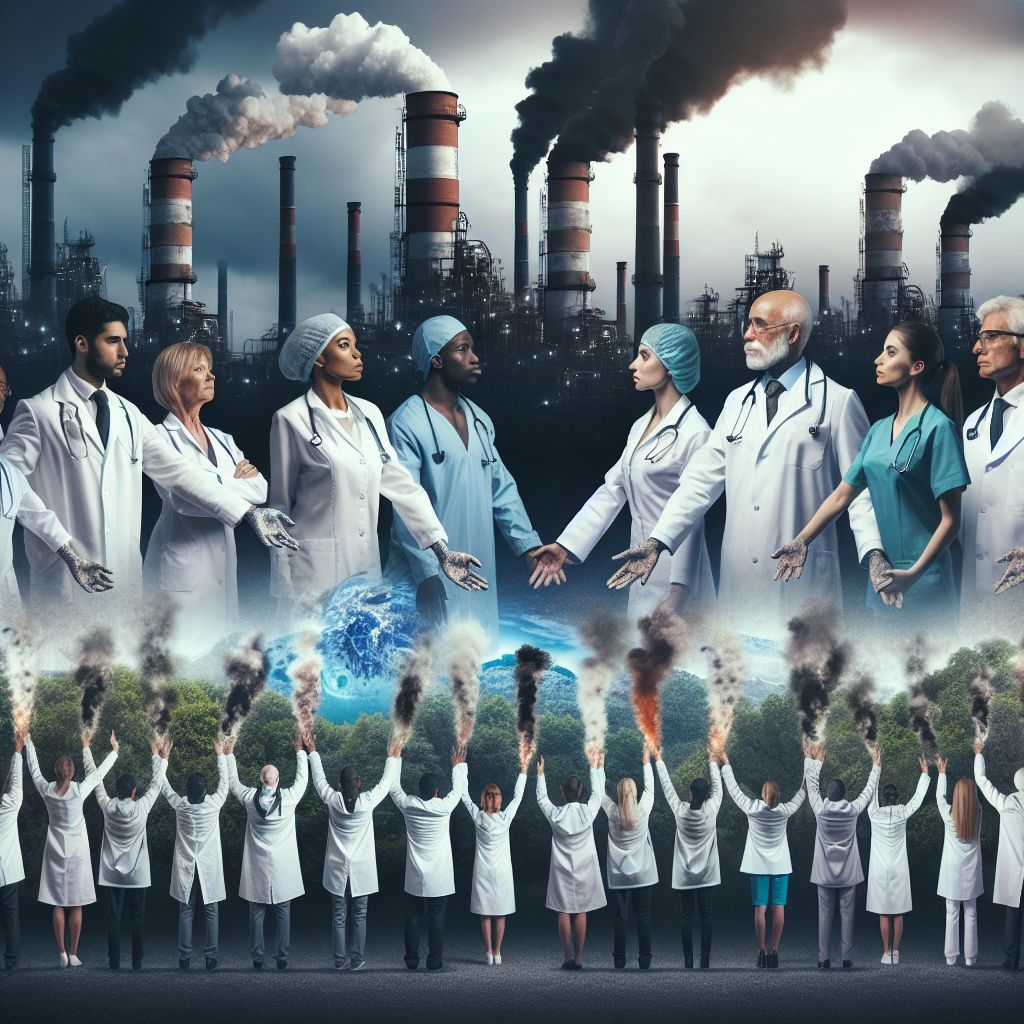
In this fight against climate change, doctors and industrialized nations can accomplish more through collaboration. Doctors can provide valuable insights into the health impacts of environmental policies, while nations can implement these suggestions on a larger scale. Together, they can raise public awareness about the urgency of climate change and the importance of sustainable practices. This collaboration can take various forms, from policy advising to public health campaigns.
Creating Sustainable Healthcare
Doctors and industrialized nations have the ability to transform the healthcare industry into a more sustainable sector. This transformation can be achieved by minimizing waste, reducing energy consumption, and promoting green procurement in hospitals. Doctors can also encourage their patients to adopt sustainable habits, such as plant-based diets and active transportation, which can significantly reduce their carbon footprint. At the same time, nations can support these initiatives by providing incentives and regulations.
Conclusion
In conclusion, doctors and industrialized nations have a significant role in mitigating climate change. Their actions not only protect the environment, but they also safeguard public health. The fight against climate change requires a collective effort; every sector, every nation, and every individual has a part to play. As influential figures and powerful entities, doctors and industrialized nations can lead the way in this crucial endeavor.
Doctors, with their vast knowledge and understanding of human health, have a pivotal role in directing the world towards healthier lifestyles. Their advice and guidance can help individuals make better choices, transforming personal habits towards sustainability. They can advocate for public health measures that promote eco-friendly practices, such as advocating for clean energy, reducing waste, and promoting plant-based diets. Their influence extends beyond individual patient care, as they can also advise governments and organizations on health-related policies to mitigate climate change.
Industrialized nations, on the other hand, bear a significant responsibility due to their substantial contribution to global greenhouse gas emissions. These nations have the resources and technology to transition to a more sustainable model of development. They can invest in clean, renewable energy sources, implement greener practices in manufacturing, and promote sustainable transportation. Moreover, they can lead in developing and implementing policies that encourage sustainability and reduce environmental impact. This can include legislations that limit emissions, encourage recycling, and promote the use of renewable energy.
The collaboration of doctors and industrialized nations can create a significant impact on our planet’s health. By utilizing their influence and resources, they can lead the charge in combating climate change, ensuring a healthier future for all. This is not just about saving the environment; it is about preserving human health and life as we know it. Because ultimately, the health of our planet and its inhabitants are intrinsically linked.
The connection between the health of our planet and our own wellbeing is undeniable. When we degrade our environment, we simultaneously compromise our health. Air pollution, for instance, is primarily caused by burning fossil fuels for transportation and electricity. These pollutants don’t just harm the atmosphere; they directly impact human health, contributing to respiratory diseases, cardiovascular problems, and even premature death. Similarly, contaminated water sources, often a result of industrial waste disposal, not only harm aquatic life but also pose serious health risks to humans, including waterborne diseases and poisoning.
Deforestation is another environmental issue that affects human health. Trees play a crucial role in absorbing carbon dioxide and releasing oxygen, thereby maintaining the balance of our atmosphere. When we cut down forests, we disrupt this balance, leading to increased carbon dioxide levels which contribute to global warming. This, in turn, leads to extreme weather conditions, food and water scarcity, and increased spread of infectious diseases. Additionally, forests are a rich source of medicinal plants, many of which are yet to be discovered. Losing these forests means losing potential cures to numerous diseases.
Therefore, it is crucial that we understand the profound connection between the health of our planet and our own health. By doing so, we can make more informed decisions about how we interact with our environment. Only then can we start to reverse the damage we have done and ensure a healthier future for generations to come.