

Table of Contents
- Introduction
- The Impact of Climate Change on Public Health
- Driving Policy and Behavioral Change
- Innovative Solutions Through Collaboration
- Challenges and Opportunities
- Conclusion: Uniting for a Sustainable Future
Introduction
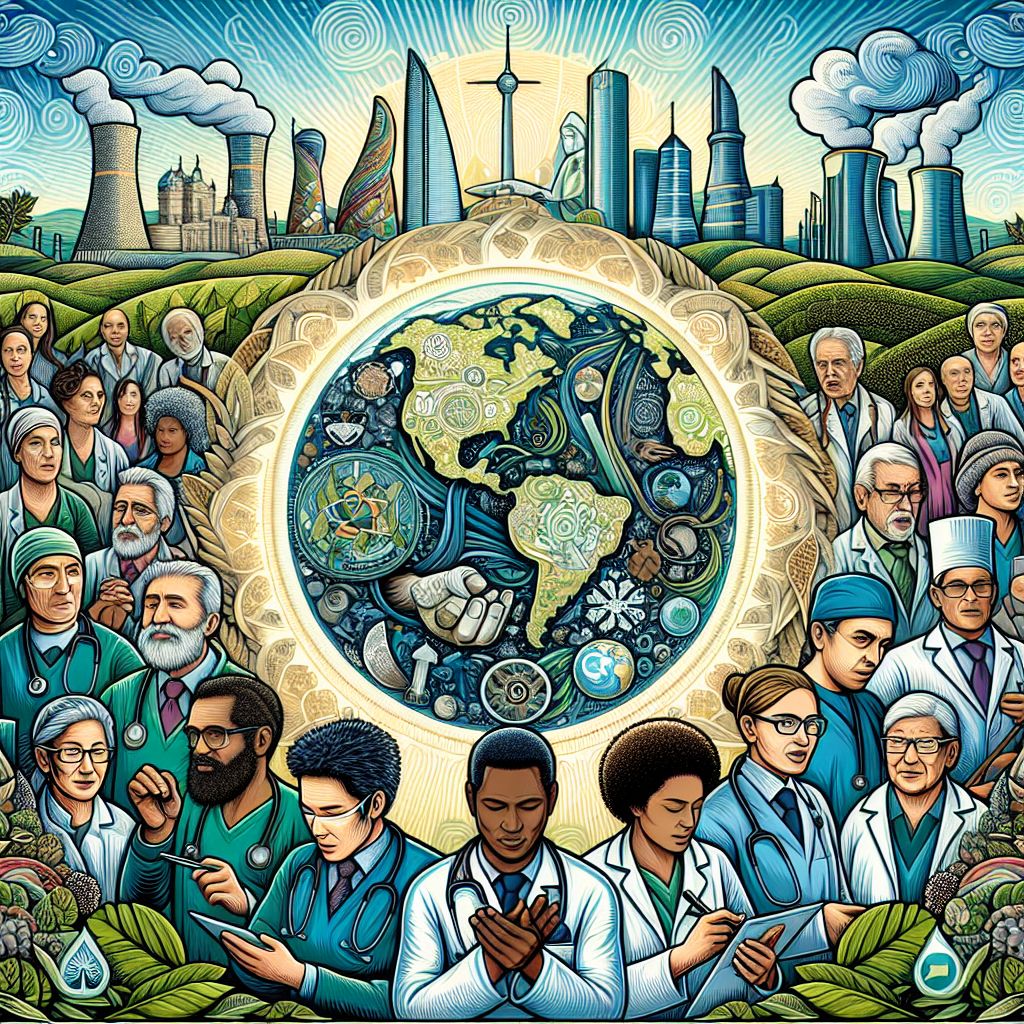
The role of civilized nations and their healthcare professionals in the fight against climate change is a subject of growing importance. This is not only due to the escalating urgency of global warming, but also the unique position these entities occupy in the intersection between public health, policy, and environmental sustainability. The following discussion explores three key reasons why this collaboration is crucial: the direct impact of climate change on public health, the influence of nations and doctors in driving policy and behavioral change, and the potential for innovative solutions that can arise from this synergy.
• A deep understanding of the direct correlation between climate change and public health emphasizes the need for collaboration.
• The influential role of nations and healthcare practitioners in shaping policy and behavior underscores their responsibility in combating climate change.
The Impact of Climate Change on Public Health
Climate change poses a significant threat to public health, with the World Health Organization estimating that it will cause an additional 250,000 deaths per year between 2030 and 2050. Rising temperatures increase the likelihood of heat-related illnesses and deaths, while changing weather patterns contribute to more severe and frequent natural disasters. Furthermore, the increased spread of infectious diseases due to warmer climates poses a substantial risk. These factors highlight the necessity for healthcare professionals to engage in climate change mitigation efforts.
Driving Policy and Behavioral Change
Nations and healthcare professionals possess significant clout in shaping public opinion and policy. As trusted sources of information, physicians can effectively communicate the health risks associated with climate change and promote sustainable behaviors. Governments, on the other hand, have the power to enact environmental policies and regulations. By leveraging their influence, these entities can drive change that extends beyond individual actions to societal and systemic levels, thereby playing a significant role in climate action.
Innovative Solutions Through Collaboration
When healthcare practitioners and governments collaborate, they can create innovative solutions that address both climate change and public health. For instance, the promotion of active transport such as walking or cycling not only reduces carbon emissions but also encourages physical activity, reducing the prevalence of diseases like obesity and heart disease. Similarly, policies promoting clean energy can decrease air pollution, subsequently reducing respiratory illnesses. Such multifaceted solutions demonstrate the power of this crucial partnership.
Challenges and Opportunities
Despite the clear benefits, there are challenges in fostering collaboration between nations and healthcare professionals. These include lack of awareness, competing priorities, and policy barriers. However, these challenges also present opportunities for education, advocacy, and policy reform. By addressing these obstacles, we can harness the potential of this collaboration for a sustainable and healthier future.
Conclusion: Uniting for a Sustainable Future
In conclusion, the collaboration between civilized societies and healthcare practitioners is pivotal in the fight against global warming. By acknowledging the direct impact of climate change on public health, utilizing their influence to drive policy and behavioral change, and creating innovative, multi-benefit solutions, these entities hold the key to a sustainable future. Despite the challenges, the opportunities for positive change are immense, underscoring the urgency and imperative of this united front.
This united front, however, is not without its complexities. The issues surrounding sustainable development require a multi-faceted and interdisciplinary approach. It involves tackling intricate socio-economic challenges, wrestling with the systemic inertia of established industries, and confronting deeply rooted societal norms. Its complexity is further amplified by the interconnected nature of global systems; changes in one area often ripple out, causing unforeseen effects in others. Yet, this complexity should not deter us. Instead, it should motivate us to seek out innovative, synergistic solutions that address multiple issues simultaneously.
The path towards a sustainable future is not a solitary one. It requires the collective effort of governments, businesses, non-profit organizations, and individuals. It demands an unprecedented level of cooperation and coordination, with each entity playing its unique role in the larger puzzle. Governments need to establish supportive policies and regulatory frameworks, businesses must transition towards more sustainable practices, non-profits can provide crucial research and advocacy, and individuals have the power to drive change through their consumer choices and lifestyle habits.
Despite the enormity of the task, the potential rewards are equally vast. A sustainable future promises not only the preservation of our planet for future generations, but also a more equitable and just society. It offers opportunities for economic growth that do not come at the expense of our environment. The journey may be long and fraught with challenges, but the destination is undoubtedly worth the effort. Let us move forward, together, towards this vision of a sustainable and prosperous future.