

Table of Contents
- Introduction
- The Impact of Climate Change on Public Health
- The Role of Doctors as Trusted Sources
- Reducing the Environmental Footprint of Medical Institutions
- Collaborative Efforts and Policy Influence
- The Way Forward
Introduction
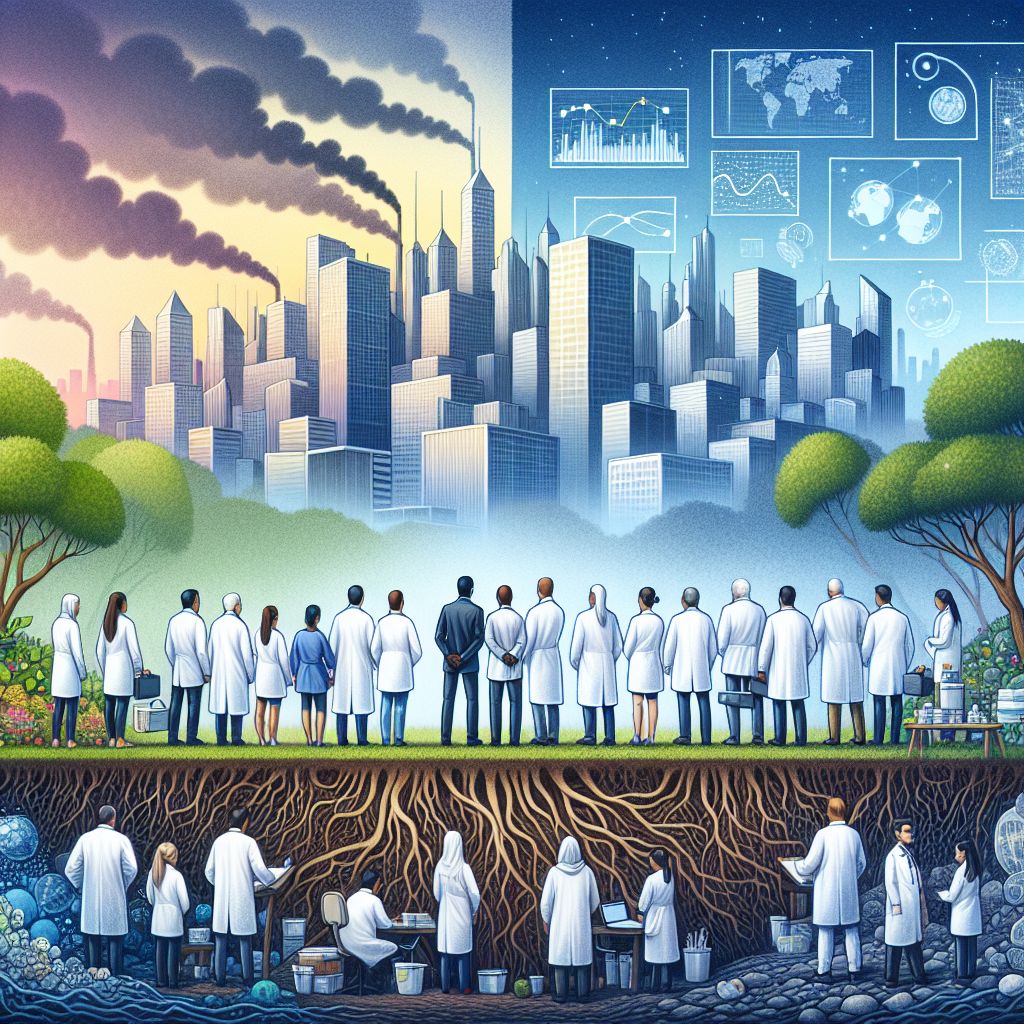
The intersection of healthcare and climate change is an emerging field of interest, particularly in civilized nations. The role of advanced countries and their healthcare professionals, especially doctors, in influencing climate change policies is increasingly gaining prominence. This article delves into the significance of this role for three reasons: the potential impact on public health, the influence of health professionals as trusted sources of information, and the opportunity for medical institutions to reduce their environmental footprint.
• The influence of climate change on public health is becoming increasingly clear.
• Doctors, as trusted sources, can play a pivotal role in driving environmental policies.
The Impact of Climate Change on Public Health
Climate change is no longer just an environmental issue; it has significant implications for global public health. Rising temperatures, extreme weather events, and air pollution contribute to a host of health issues, including respiratory diseases, cardiovascular disorders, and infectious diseases. For instance, the World Health Organization estimates that between 2030 and 2050, climate change could cause approximately 250,000 additional deaths per year from malnutrition, malaria, diarrhoea, and heat stress. As such, it is imperative for doctors and healthcare institutions to take part in climate action to protect public health.
The Role of Doctors as Trusted Sources
Doctors are often regarded as trusted sources of information by the general public. They have the capacity to influence opinions and behaviours, making them powerful agents of change. By informing their patients about the health risks associated with climate change and advocating for sustainable practices, doctors can contribute significantly to the climate change discourse. They can also promote and participate in environmentally friendly practices within their own institutions, leading by example and demonstrating the feasibility and benefits of sustainable healthcare.
Reducing the Environmental Footprint of Medical Institutions
Healthcare institutions, particularly in developed countries, contribute significantly to carbon emissions. In the United States, the healthcare sector is responsible for nearly 10% of the nation’s carbon footprint. Many institutions are recognizing this and are taking steps to reduce their environmental impact. Doctors can play a key role in these efforts, advocating for energy-efficient practices, waste reduction, and sustainable procurement within their organizations. This not only reduces their contribution to climate change but also creates a healthier environment for patients and staff.
Collaborative Efforts and Policy Influence
Doctors and healthcare professionals, when they unite, can exert significant influence on policy-making. Many medical associations have already begun to push for stronger climate policies, recognizing the importance of this issue for public health. For instance, the Medical Society Consortium on Climate and Health, representing over half of U.S. doctors, regularly lobbies for climate-friendly policies. Such collaborative efforts can help drive the change needed to mitigate the health impacts of climate change.
The Way Forward
The role of doctors and healthcare institutions in addressing climate change is crucial. Civilized nations, with their advanced healthcare systems and influential medical professionals, have the potential to drive significant changes in climate policies. By integrating climate action into their practices and advocating for sustainable policies, doctors can help ensure a healthier and more sustainable future for all. It is time to leverage this potential and make climate action a central part of healthcare.
Climate action in healthcare can take various forms. It can include reducing waste and carbon emissions in medical facilities, educating healthcare professionals and patients about the effects of climate change on health, and advocating for policies that protect public health from environmental harm. In recent years, some healthcare organizations have begun to implement these changes, but there is still much work to be done. A concerted effort from healthcare providers, policymakers, and the general public is required to realize the full potential of climate action in healthcare.
The benefits of this approach extend beyond the healthcare sector. By reducing carbon emissions, healthcare providers can help mitigate global warming, a key driver of climate change. Furthermore, sustainable healthcare practices can lead to cost savings, making healthcare more affordable and accessible. For example, energy-efficient hospitals can reduce operating costs, while waste reduction can save money on disposal fees. In this way, climate action in healthcare can contribute to economic sustainability as well as environmental sustainability.
However, there are also significant challenges to implementing climate action in healthcare. These include a lack of awareness and understanding about the links between health and climate change, resistance to change among healthcare providers, and the need for upfront investment in sustainable infrastructure and practices. Despite these challenges, the urgency of the climate crisis means that we cannot afford to delay. Healthcare providers and policymakers must work together to overcome these obstacles and make climate action a central part of healthcare.
In conclusion, while the task may be challenging, the rewards of integrating climate action into healthcare are multifaceted. Not only would this integration lead to a more sustainable healthcare sector, but it would also contribute to a healthier population and a more sustainable planet. The time to act is now, making climate action in healthcare not just a necessity, but a moral imperative.