

Table of Contents
- Introduction: The Essential Role of Developed Nations and Healthcare Professionals in Combating Climate Change
- The Capacity of Developed Nations
- Impact of Climate Change on Health Sector
- Moral Obligation of Healthcare Professionals
- Collaborative Approach to Combat Climate Change
- Conclusion
Introduction: The Essential Role of Developed Nations and Healthcare Professionals in Combating Climate Change
The issue of climate change has been at the forefront of international discussions for several decades. The ever-increasing global temperatures, melting ice caps, and unprecedented weather patterns are clear indicators of a rapidly changing climate. It is an issue of global significance that requires concerted efforts and innovative strategies to combat. Developed nations and healthcare professionals have an essential role to play in this fight. The reasons for their involvement are threefold; firstly, developed nations have the resources and capabilities to lead the fight against climate change. Secondly, the health sector is significantly affected by the impacts of climate change, and thirdly, healthcare professionals have a moral obligation to protect public health.
• Developed nations have the resources and capabilities to combat climate change effectively.
• The health sector is intrinsically linked to the impacts of climate change.
The Capacity of Developed Nations
Developed nations have a significant role in addressing the issue of climate change due to their financial and technological capabilities. They have the resources to invest in renewable energy sources, implement climate-friendly policies, and create sustainable infrastructures. Furthermore, they have the power to influence global policies and set the precedent for other countries to follow. Developed nations are also the largest contributors to greenhouse gas emissions, thus they have a responsibility to lead the fight against climate change.
Impact of Climate Change on Health Sector
Climate change poses significant risks to the health sector. Rising temperatures and extreme weather conditions can lead to increased incidences of heat-related illnesses and infectious diseases. Additionally, climate change can disrupt healthcare services, particularly in regions that are prone to natural disasters. Healthcare professionals need to be at the forefront of climate change strategies, as they understand the direct link between climate change and public health.
Moral Obligation of Healthcare Professionals
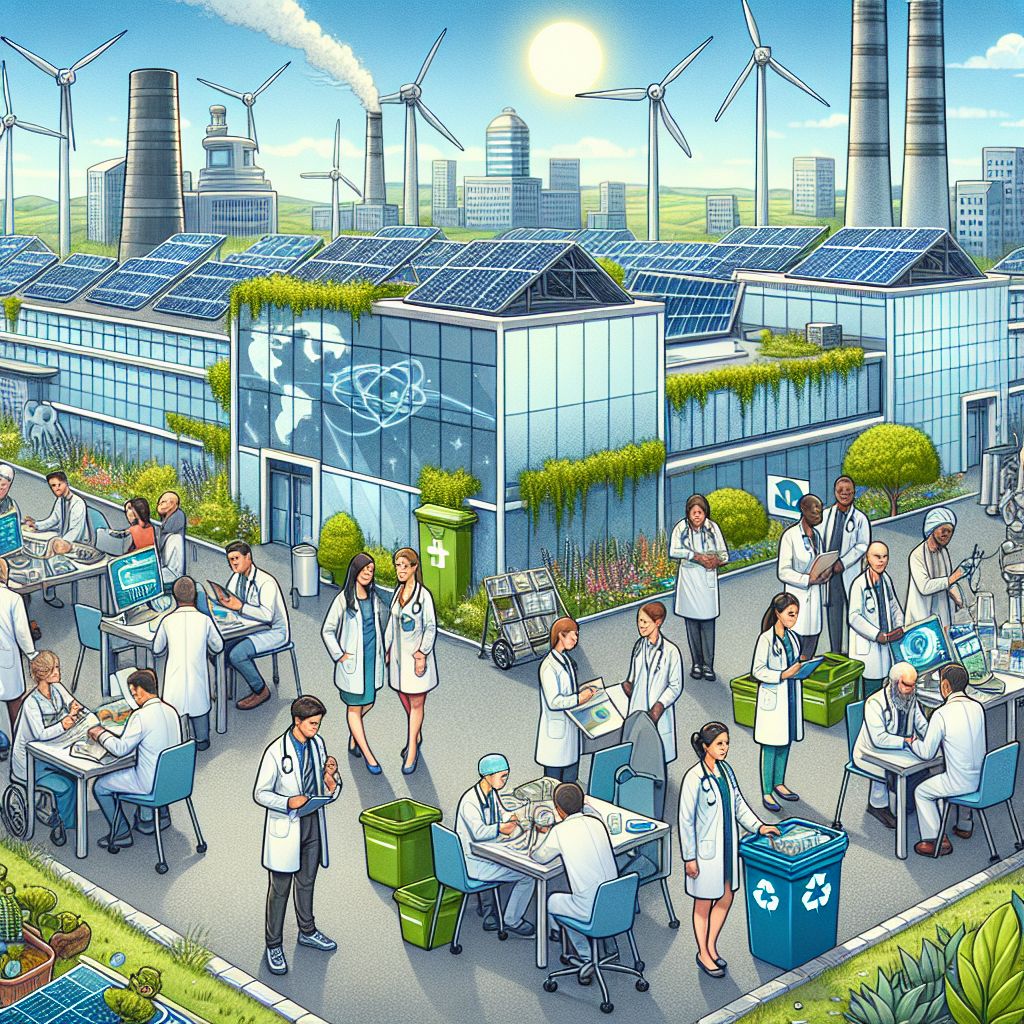
Healthcare professionals have a moral obligation to protect public health, and this includes addressing the impacts of climate change. They are in a unique position to advocate for climate-friendly policies, educate the public about the health risks associated with climate change, and implement sustainable practices within the healthcare sector. By leveraging their influence and expertise, healthcare professionals can significantly contribute to the fight against climate change.
Collaborative Approach to Combat Climate Change
Combating climate change requires a collaborative effort between developed nations and healthcare professionals. Developed nations need to provide the necessary resources and create an enabling environment for the healthcare sector to adapt to the impacts of climate change. Simultaneously, healthcare professionals need to take an active role in advocating for climate-friendly policies and educating the public. Together, they can spearhead the fight against climate change and safeguard the future of our planet.
Conclusion
In conclusion, developed nations and healthcare professionals have a crucial role in combating climate change. Their involvement is not only necessary but also a moral obligation. By working together, they can make significant strides in mitigating the impacts of climate change and protecting public health. The fight against climate change is a collective responsibility, and every effort counts towards creating a sustainable future.
Climate change is not a mere environmental issue, but a multifaceted challenge that encompasses social, economic, and political dimensions. It threatens the very fabric of our societies, from food security and water supply to economic stability and national security. The consequences of climate change are already evident in the extreme weather events, rising sea levels, and increased frequency of wildfires, which have caused significant loss of life and property. The scientific consensus is clear that these phenomena are largely driven by human activities, primarily the burning of fossil fuels and deforestation.
However, it is crucial to understand that the burden of climate change is not evenly distributed. Developing countries, which have contributed the least to greenhouse gas emissions, are often the most vulnerable to its impacts. They lack the resources and infrastructure to adapt to the changing climate, thereby exacerbating their existing socio-economic challenges. This inequity underscores the importance of global cooperation in tackling climate change, necessitating richer nations to provide financial and technical support to their less developed counterparts.
While the challenges of climate change are daunting, they also present opportunities for innovation and transformation. Transitioning to a low-carbon economy can stimulate economic growth, generate new jobs, and improve public health. The renewable energy sector, for example, has witnessed remarkable growth in recent years, providing a viable and sustainable alternative to fossil fuels. Furthermore, embracing sustainable practices in agriculture, forestry, and other land use sectors can not only reduce greenhouse gas emissions but also enhance biodiversity and ecosystem services.
Climate change demands urgent action from individuals, communities, corporations, and governments worldwide. It is not enough to merely acknowledge the problem; we must translate our words into decisive actions. We need to rethink our consumption patterns, invest in renewable energy, promote sustainable land use, and advocate for strong climate policies. Only by doing so can we safeguard our planet for future generations, ensuring a sustainable and resilient future.