

Table of Contents
- Introduction
- The Role of Developed Nations
- Healthcare Professionals and Climate Change
- Global Partnerships
- Role of Healthcare Professionals in Global Partnerships
- Conclusion
Introduction
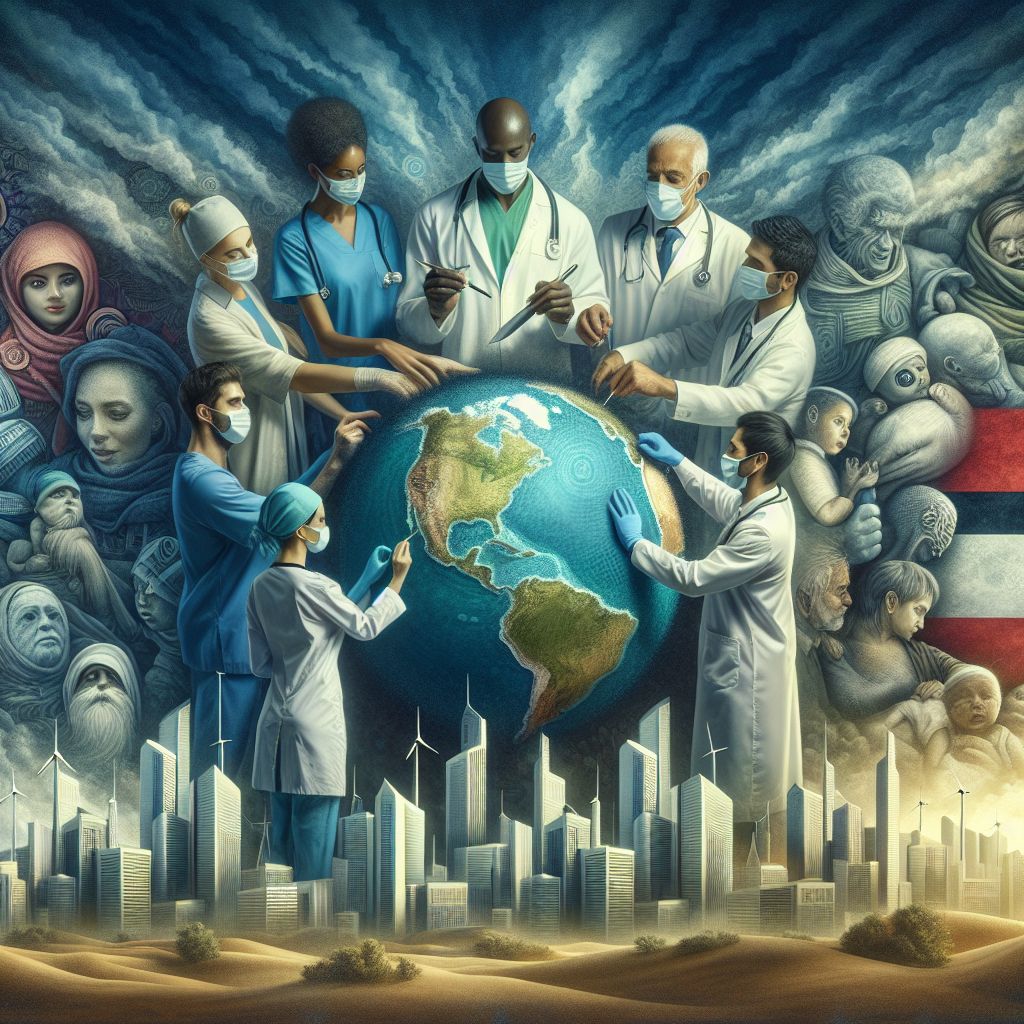
As the world grapples with the escalating menace of climate change, the role of developed nations and healthcare professionals becomes pivotal. This article aims to shed light on how civilized nations and their doctors can actively participate in the struggle against climate change. The reasons underscoring the significance of their involvement include the potential influence of their actions, the necessity of their expertise, and their capacity to foster global partnerships.
- Developed nations house the resources and influence to instigate meaningful change.
- Healthcare professionals possess the expertise to mitigate climate change’s health impacts.
The Role of Developed Nations
Developed nations have the economic strength, technological prowess, and influence to turn the tide against climate change. They contribute significantly to global emissions, yet they also have the resources to transition towards greener alternatives. These nations can lead the way in adopting renewable energy sources, promoting low-carbon economy, and investing in environmental conservation and restoration initiatives. Furthermore, their financial and technological aid can equip developing nations to combat climate change effectively.
Healthcare Professionals and Climate Change
Healthcare professionals hold a crucial role in the fight against climate change. They have firsthand experience of the health consequences brought on by environmental degradation – from respiratory diseases due to polluted air to malnutrition caused by food scarcity. Their knowledge and expertise enable them to educate the public about these risks and advocate for measures to reduce them. Moreover, they can drive the transformation of the healthcare sector towards sustainability, thereby reducing its own carbon footprint.
Global Partnerships
For a challenge as global as climate change, international cooperation is indispensable. Developed nations can form partnerships with their less developed counterparts, providing them with the necessary technology, funding, and skills to tackle climate change. These partnerships can facilitate the exchange of knowledge and best practices, fostering a collective effort against this shared threat. They can also ensure that climate change mitigation efforts are equitable and inclusive, leaving no country behind.
Role of Healthcare Professionals in Global Partnerships
Healthcare professionals can also contribute to these global partnerships. They can share their expertise with counterparts in developing countries, helping them prepare for and respond to climate-related health crises. Through collaborative research, they can advance our understanding of the health impacts of climate change and devise effective interventions. Their advocacy can influence policy makers to prioritize climate change and health in their agendas, thus ensuring that these issues receive the attention and resources they deserve.
Conclusion
In conclusion, developed nations and healthcare professionals are key players in the global fight against climate change. Their resources, influence, and expertise make them well-positioned to drive meaningful change. Through global partnerships, they can share these assets with the rest of the world, ensuring that the battle against climate change is a collective and equitable one. Their contributions will not only help mitigate climate change, but also improve global health, making our planet a safer and healthier place for future generations.
Indeed, the role of individuals in the fight against climate change cannot be overstated. Each one of us has a part to play, from the choices we make every day, like what we eat, how we travel, and how we consume energy, to the pressure we can put on our political leaders to enact lasting change. Every step we take towards a greener lifestyle, no matter how small, can have a significant cumulative impact. This is particularly true if we can inspire others around us to do the same, creating a snowball effect of positive change.
Likewise, the importance of global cooperation in addressing climate change is paramount. The issue transcends national boundaries and therefore, demands a global response. International diplomacy and collaboration are crucial in developing and implementing effective strategies to combat climate change. By pooling resources and knowledge, countries can achieve more than they could individually. This collaboration can take many forms, from multinational agreements and treaties to joint research projects and shared technology.
Moreover, it is imperative to recognize that the impacts of climate change are not evenly distributed across the globe. Developing countries, despite contributing the least to global emissions, are often the most vulnerable to the effects of climate change. This highlights the need for climate justice, a recognition that those who are most affected by climate change should receive the most support in adapting to and mitigating its impacts.
In conclusion, while the task of combating climate change may seem daunting, it is by no means insurmountable. With collective effort, global collaboration, and an unwavering commitment to climate justice, we can ensure a sustainable, healthy planet for generations to come. It is our shared responsibility and in our collective interest to do so.