

Table of Contents
- Introduction: The Intersection of Climate Change, Developed Nations, and Medical Professionals
- Historical Emissions: Developed Nations’ Debt to the Planet
- Resources and Capacity: The Privilege of Developed Nations
- The Health Implications of Climate Change: The Role of Medical Professionals
- A Collaborative Effort: The Need for Unity in Action
- Conclusion: Our Shared Responsibility Towards the Planet
Introduction: The Intersection of Climate Change, Developed Nations, and Medical Professionals
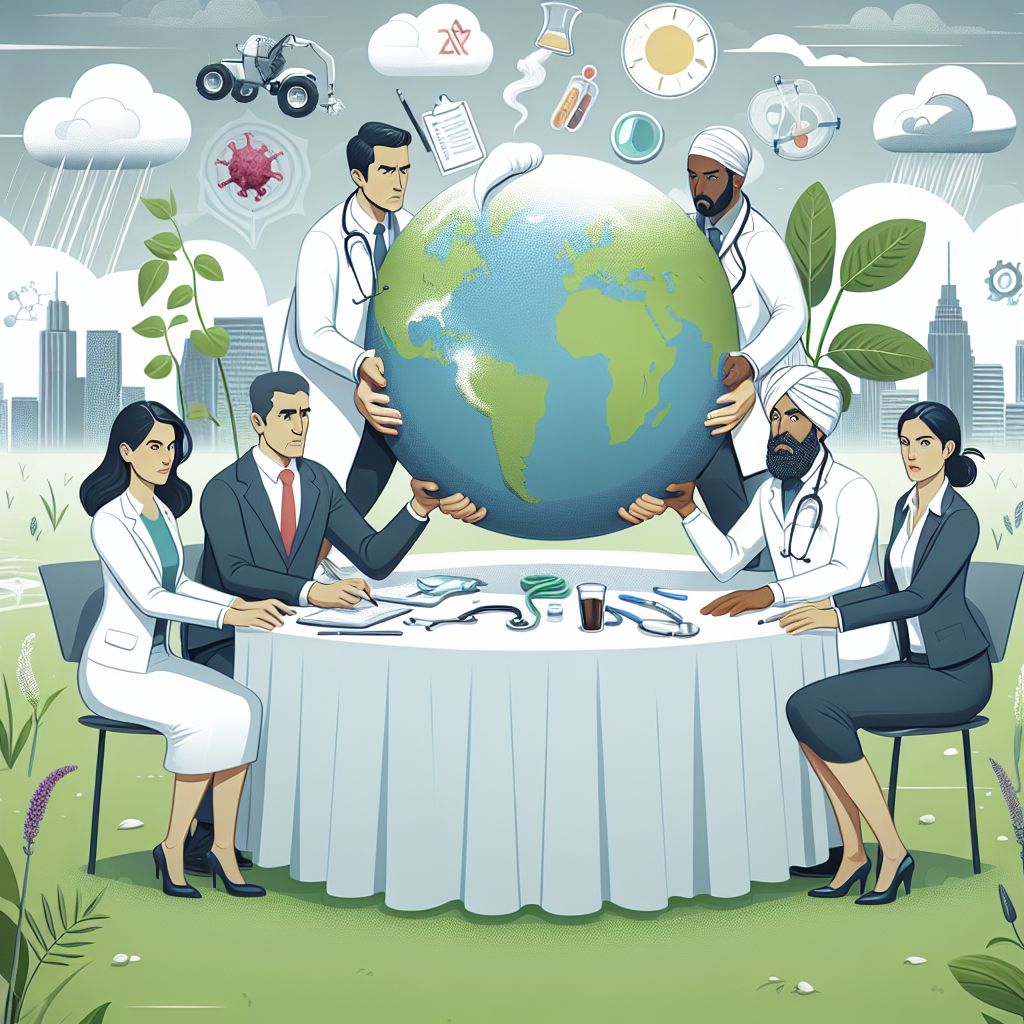
Climate change is a global issue calling for concerted effort from all nations, especially those considered developed. The role of these nations and their medical professionals is instrumental in mitigating the impacts of this crisis. This article explores the relevance of this topic and presents three compelling reasons why their involvement is significant: their responsibility due to historical emissions, their resources and capacity, and the health implications of climate change.
Historical Emissions: Developed Nations’ Debt to the Planet
The first reason lies in the developed nations’ historical emissions. These countries industrialized earlier and, in the process, emitted vast quantities of greenhouse gases, contributing significantly to the current climate crisis. It is therefore only fair that they shoulder a substantial part of the burden in resolving the crisis. They owe it to the planet and future generations to spearhead efforts towards reducing emissions and developing sustainable practices.
Resources and Capacity: The Privilege of Developed Nations
Secondly, developed nations have the resources and capacity to make significant strides in combating climate change. These countries possess advanced technologies, robust economies, and skilled manpower. They can invest in renewable energy, fund climate research, develop green technologies, and influence global climate policies. The ability and resources to make a difference puts them in a unique position to take the lead in fighting climate change.
The Health Implications of Climate Change: The Role of Medical Professionals
Climate change is not just an environmental issue; it has severe health implications as well. These include increased incidences of heat-related illnesses, infectious diseases, and mental health issues. Medical professionals in developed nations, with their advanced healthcare systems, have a vital role in addressing these health impacts. They can lead in research, provide critical care, and raise awareness about the health risks associated with climate change.
A Collaborative Effort: The Need for Unity in Action
The fight against climate change requires a collaborative effort. While developed nations and their medical professionals have a significant role, all countries and sectors must participate. Developed nations can guide others in climate action, share technology, and provide financial support. Medical professionals across the globe can collaborate in research and share best practices. Only through united action can we effectively address the climate crisis.
Conclusion: Our Shared Responsibility Towards the Planet
Ultimately, the responsibility of addressing the climate crisis is a shared one. Developed nations and their medical professionals play a crucial role, but the burden doesn’t lie solely on them. Every nation, every sector, and every individual has a part to play. By recognizing our roles and responsibilities, we can collectively work towards a healthier, more sustainable planet.
One significant avenue for contributing towards a healthier planet is adopting sustainable practices. This encompasses a broad range of actions, from reducing our reliance on fossil fuels, conserving water and energy, to recycling waste materials. Businesses can invest in renewable energy sources such as wind, solar, and hydroelectric power. Individuals can make a difference by choosing to use public transportation, cycling, or walking instead of using private vehicles. Simple everyday actions, like using reusable shopping bags, reducing food waste, and conserving electricity, can also make a significant impact.
Another critical aspect is education. By promoting awareness about the environment and sustainability, we can inspire more people to make environmentally friendly choices. Schools can incorporate environmental education into their curriculum, and organizations can conduct workshops and seminars to educate their employees and stakeholders about the importance of sustainability. By making informed decisions, we can create a ripple effect that leads to significant positive changes for our planet.
Lastly, policy change at the governmental level is crucial. Governments can introduce regulations that encourage sustainable practices and penalize those that harm the environment. They can also fund research into green technologies and renewable energy, fostering innovative solutions to environmental challenges.
In conclusion, sustainability is not just a buzzword; it’s a necessity. We must all take an active role in preserving our environment for future generations. Together, we can create a world where both humans and nature can thrive.
Sustainability, in essence, is about finding the balance, a symmetry between our unlimited wants and the limited resources that the earth provides. This delicate equilibrium is often disturbed by our reckless consumption habits, which, if unchecked, might lead to a point of no return. The consequences of such imbalance are already visible in the form of climate change, melting glaciers, and loss of biodiversity. These alarming signs call for an immediate collective action.
While individual efforts are important, they alone are not sufficient. We need a collaborative approach involving governments, businesses, and non-profit organizations. Governments should enforce stringent regulations to curb pollution and promote renewable energy. Businesses should incorporate sustainability in their operations and supply chains. Non-profit organizations can play a crucial role in mobilizing public opinion and support.
Education is another vital tool in our fight for a sustainable future. We need to educate ourselves and our young ones about the importance of sustainability. This could involve simple actions like recycling, composting, and reducing water usage, to more complex topics like renewable energy and conservation strategies. By instilling these values early on, we can ensure that the future generations are well equipped to tackle environmental challenges.
The road to sustainability may be long and challenging, but it’s a journey we must undertake. The future of our planet and the well-being of generations to come depends on the choices we make today. As inhabitants of this beautiful planet, it’s our responsibility to ensure its protection and preservation. Remember, there is no Planet B.