

Table of Contents
- Introduction: Climate Crisis and the Role of Developed Nations and Medical Professionals
- The Impacts of Climate Change on Global Health
- The Responsibility of Developed Nations
- The Role of Medical Professionals
- Collaboration Between Developed Nations and Medical Professionals
- Conclusion: The Urgency of Action
Introduction: Climate Crisis and the Role of Developed Nations and Medical Professionals
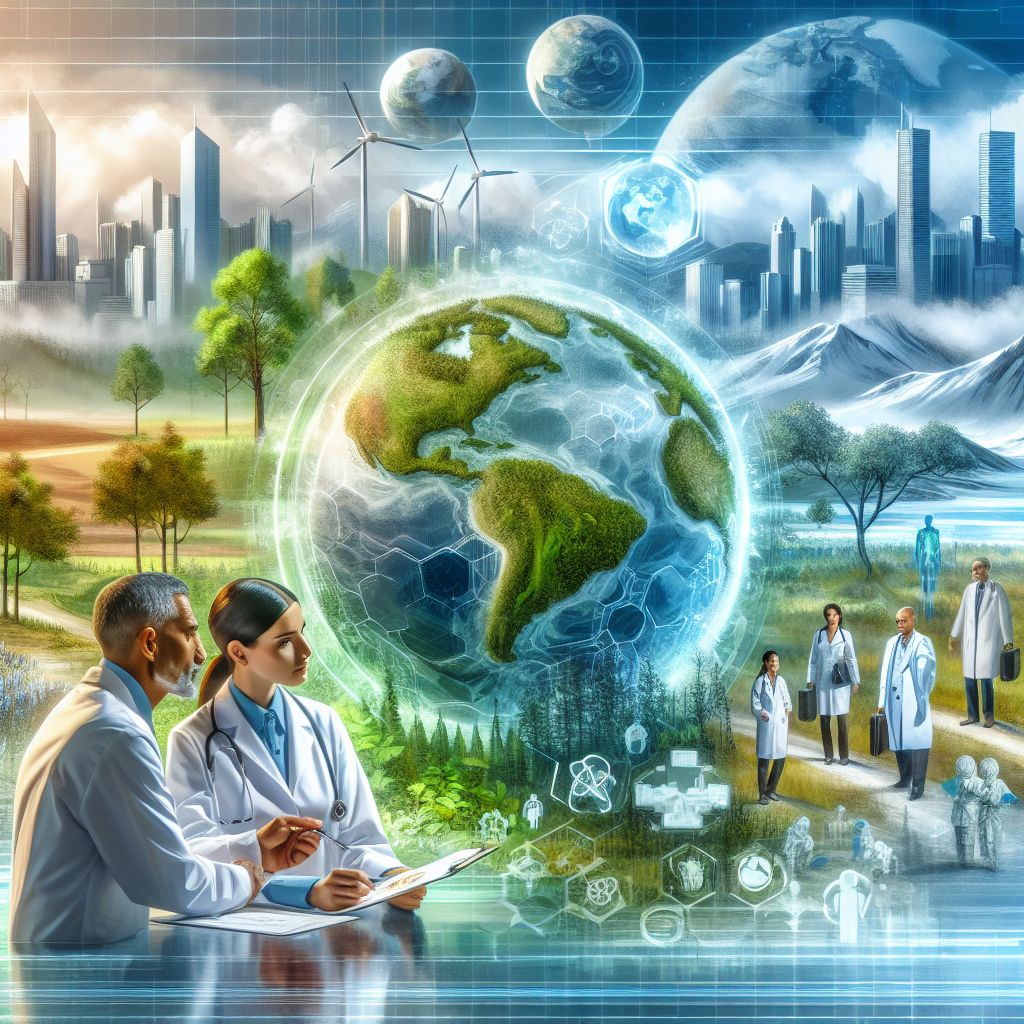
The global climate crisis is a pressing issue that demands immediate attention and action, not just from environmentalists but from all sectors of society, including the medical profession. This crisis is not just an environmental concern; it’s a health issue that impacts everyone, especially those in developing countries. Polices from developed nations and the role of medical professionals in addressing this crisis are significant due to three reasons:
• Climate change exacerbates health problems, and doctors are at the forefront of dealing with these issues.
• Developed nations have the resources and influence to drive significant changes in climate policies.
• The actions of doctors and developed nations can inspire others to take climate action.
The Impacts of Climate Change on Global Health
Climate change is more than just an environmental issue; it’s a significant health concern. Rising temperatures can increase the prevalence and spread of diseases and exacerbate respiratory problems caused by poor air quality. Longer and hotter heatwaves can result in heat-related illnesses and deaths. Changes in climate can also disrupt food production, leading to malnutrition and food insecurity. Doctors across the globe are witnessing these health impacts first-hand.
The Responsibility of Developed Nations
Developed nations bear significant responsibility in addressing the climate crisis. Historically, these countries have contributed the most to greenhouse gas emissions, the primary driver of global warming. These nations have the resources, technology, and influence to drive substantial changes in climate policies. They can lead in transitioning to renewable energy, reducing carbon emissions, and investing in sustainable practices. Their actions can set the standard for other countries to follow.
The Role of Medical Professionals
Medical professionals play a critical role in the climate crisis. As frontline responders to health issues, they witness the impacts of climate change on health and can provide valuable insights into these challenges. Doctors can advocate for climate policies that protect public health, educate their patients on the health risks associated with climate change, and promote sustainable practices within the healthcare sector. Moreover, they can use their influence to urge governments and the private sector to take substantial action against climate change.
Collaboration Between Developed Nations and Medical Professionals
A collaborative approach between developed nations and medical professionals can significantly address the climate crisis. Governments can work with the healthcare sector to develop policies that protect public health from climate impacts. Medical professionals can provide policymakers with evidence-based recommendations on mitigating health risks associated with climate change. Such collaboration can lead to more effective climate action that not only preserves the environment but also protects global health.
Conclusion: The Urgency of Action
Addressing the climate crisis is a global responsibility that demands urgent action. Developed nations and medical professionals have crucial roles to play in this endeavor. By leveraging their resources, knowledge, and influence, they can drive significant changes to mitigate climate impacts, protect public health, and ensure a sustainable future for all. The time for action is now.
The urgent need for climate action cannot be overstated. As the world witnesses an unprecedented rise in global temperatures, the effects of climate change are becoming increasingly evident. Widespread wildfires, intensifying hurricanes, melting ice caps, and rising sea levels are all stark reminders of the escalating crisis. However, these are not just isolated events; they are interconnected phenomena that reflect the broader implications of a warming planet. Consequently, this calls for a comprehensive, multi-disciplinary approach to climate change mitigation and adaptation.
Addressing the climate crisis requires a radical shift in our current systems and practices. Our economic models, consumption patterns, and lifestyle choices must evolve to prioritize sustainability over short-term gains. This entails a transition towards renewable energy, sustainable agriculture, green infrastructure, and circular economy. It also involves fostering a culture of environmental consciousness and responsible consumption among individuals and communities. The power of collective action in driving systemic changes cannot be underestimated.
Furthermore, climate action is not just about environmental preservation; it also holds the potential for social and economic transformation. Investing in green industries can stimulate economic growth, create jobs, and reduce social inequality. Moreover, adopting sustainable practices can improve our health and wellbeing by reducing pollution and promoting healthy lifestyles. Thus, climate action can offer a pathway towards a more equitable and sustainable future, but it requires a concerted global effort.
While the challenges ahead are daunting, there is also a wealth of opportunities. Technology and innovation can play a crucial role in addressing climate change. From renewable energy technologies to climate-resilient infrastructure, technological advancements can provide practical solutions for reducing greenhouse gas emissions and adapting to climate impacts. Additionally, digital tools and big data can enhance our understanding of climate science, inform policy decisions, and monitor progress towards climate goals.
In conclusion, the climate crisis is one of the most pressing issues of our time, and it demands immediate and decisive action. However, with collective effort, innovative solutions, and a commitment to sustainability, we can tackle this global challenge and pave the way for a healthier, more resilient, and sustainable future. The time for action was yesterday; the next best time is now.