

Table of Contents
- Introduction
- Climate Change and Health: A Direct Correlation
- The Influence of Medical Professionals in Shaping Public Opinion
- Policy Interventions: A Potential Game Changer
- Collaboration Between Civilized Nations and Medical Experts
- Driving Sustainable Change
Introduction
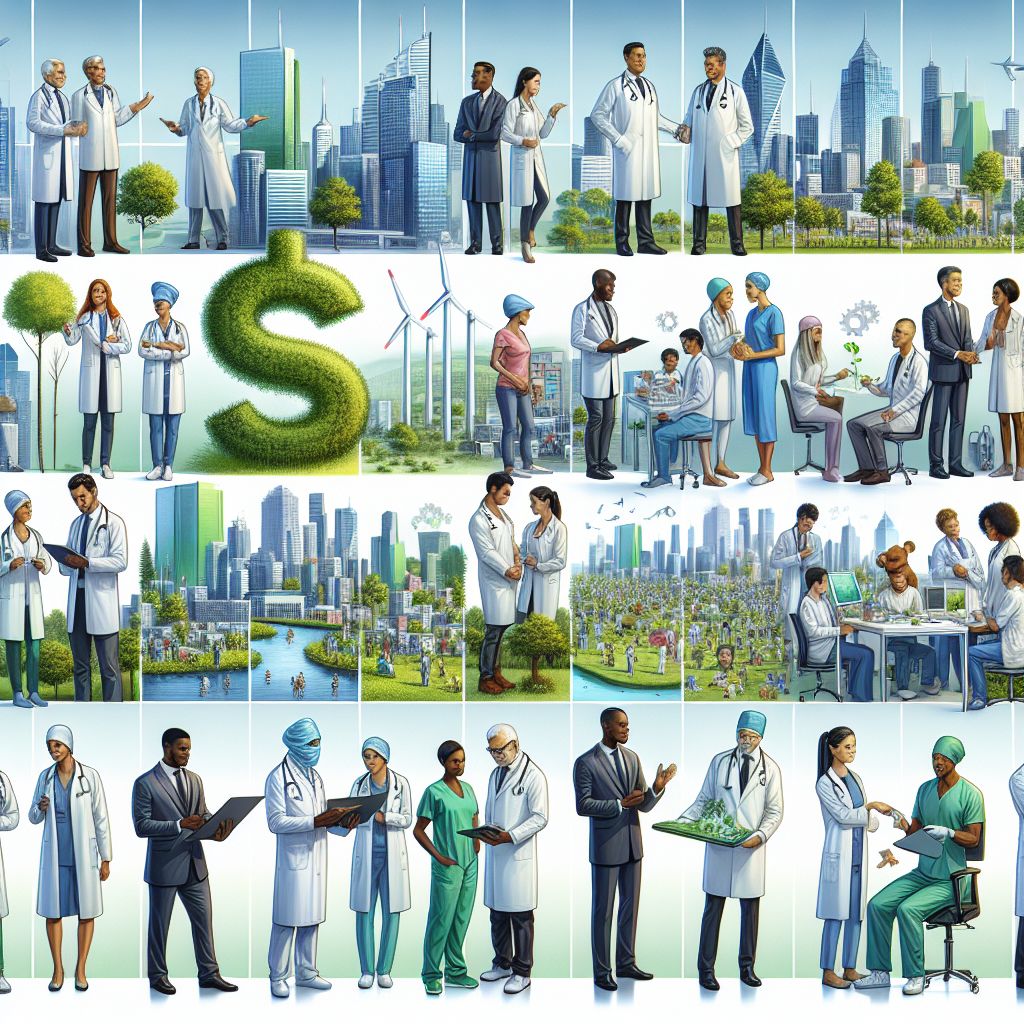
As the global community grapples with the escalating menace of climate change, the role of civilized nations and their medical professionals is becoming increasingly significant. The collaborative efforts between these countries and their healthcare experts in formulating environmental policies are pivotal in driving sustainable change. This unique interplay is significant for three compelling reasons: the direct impact of climate change on human health, the influence of healthcare professionals on public opinion, and the potential for policy interventions to mitigate climate change effects.
• Climate change significantly affects human health, necessitating the input of medical experts in policy-making.
• Medical professionals, due to their influence on public opinion, are crucial for driving climate change awareness and action.
Climate Change and Health: A Direct Correlation
Climate change has a profound impact on human health, with effects ranging from heat-related illnesses and malnutrition to the increased spread of infectious diseases. For example, the World Health Organization estimates that climate change will cause an additional 250,000 deaths per year between 2030 and 2050. This alarming statistic underscores the urgency for medical experts to collaborate with governments in designing climate policies that prioritize public health.
The Influence of Medical Professionals in Shaping Public Opinion
As trusted figures in society, medical professionals can play a significant role in shaping public opinion on climate change. Through their interactions with patients and the wider community, they can disseminate accurate information about the health risks associated with climate change, thereby fostering greater public understanding and support for environmental policies. Their ability to translate complex scientific data into relatable narratives makes them valuable allies in the fight against climate change.
Policy Interventions: A Potential Game Changer
The formulation of effective environmental policies can significantly mitigate the impacts of climate change. Governments of civilized nations, in collaboration with healthcare professionals, can implement policies promoting cleaner energy sources, reducing greenhouse gas emissions, and encouraging sustainable practices. These policies, when integrated into the broader healthcare system, can also contribute to improved public health outcomes, highlighting the interconnectedness of environmental and health policies.
Collaboration Between Civilized Nations and Medical Experts
The collaboration between civilized nations and their medical professionals is a promising approach in addressing the climate crisis. By leveraging the expertise of doctors in understanding the health implications of climate change, countries can develop comprehensive environmental policies that not only address climate change but also enhance public health. This interdisciplinary approach, which combines the knowledge and skills of policymakers and medical experts, is crucial for driving sustainable change in the current climate scenario.
Driving Sustainable Change
The fight against climate change is a collective endeavor that requires unprecedented levels of cooperation and innovation. The active involvement of medical professionals in this fight, alongside the governments of civilized nations, is key to driving sustainable change. Together, they can shape environmental policies that not only mitigate the impacts of climate change but also promote public health. This collaborative approach underscores the vital role of civilized nations and their doctors in the global response to climate change.
The intersection of climate change and public health is an uncharted territory that requires a multi-disciplinary and collective approach. Climate change as a health emergency is no longer a future prediction but a present reality. The increased instances of heat waves, violent storms, and infectious diseases are a testimony to this. The medical fraternity, therefore, has an integral role in not only treating climate change induced illnesses but also in advocating for climate-smart healthcare.
Climate-smart healthcare revolves around the idea of developing resilient health systems that can adapt to and mitigate the impacts of climate change. This entails reducing the carbon footprint of healthcare facilities, promoting sustainable practices, and incorporating climate change into public health policies. Through this, healthcare providers not only contribute to climate change mitigation but also ensure the delivery of quality healthcare services even in the face of environmental adversities.
However, this transition cannot be accomplished in isolation. It necessitates the support of policy makers, governments, and most importantly, the public. By understanding and acknowledging the link between climate change and public health, we can foster a sense of collective responsibility. This will not only lead to informed decision making but also encourage active participation in climate change mitigation efforts.
In conclusion, the role of doctors and healthcare providers extends beyond the walls of a hospital. In the face of climate change, they are our healers, educators, advocates, and innovators. By integrating climate change into the healthcare narrative, we can ensure a healthier and more sustainable future for all.