

Table of Contents
- Introduction: A Global Call to Arms
- The Critical Role of Developed Nations
- Healthcare Professionals: The Climate Advocates
- The Intersection of Developed Nations and Healthcare
- The Future: Collaborative Actions and Shared Responsibility
Introduction: A Global Call to Arms
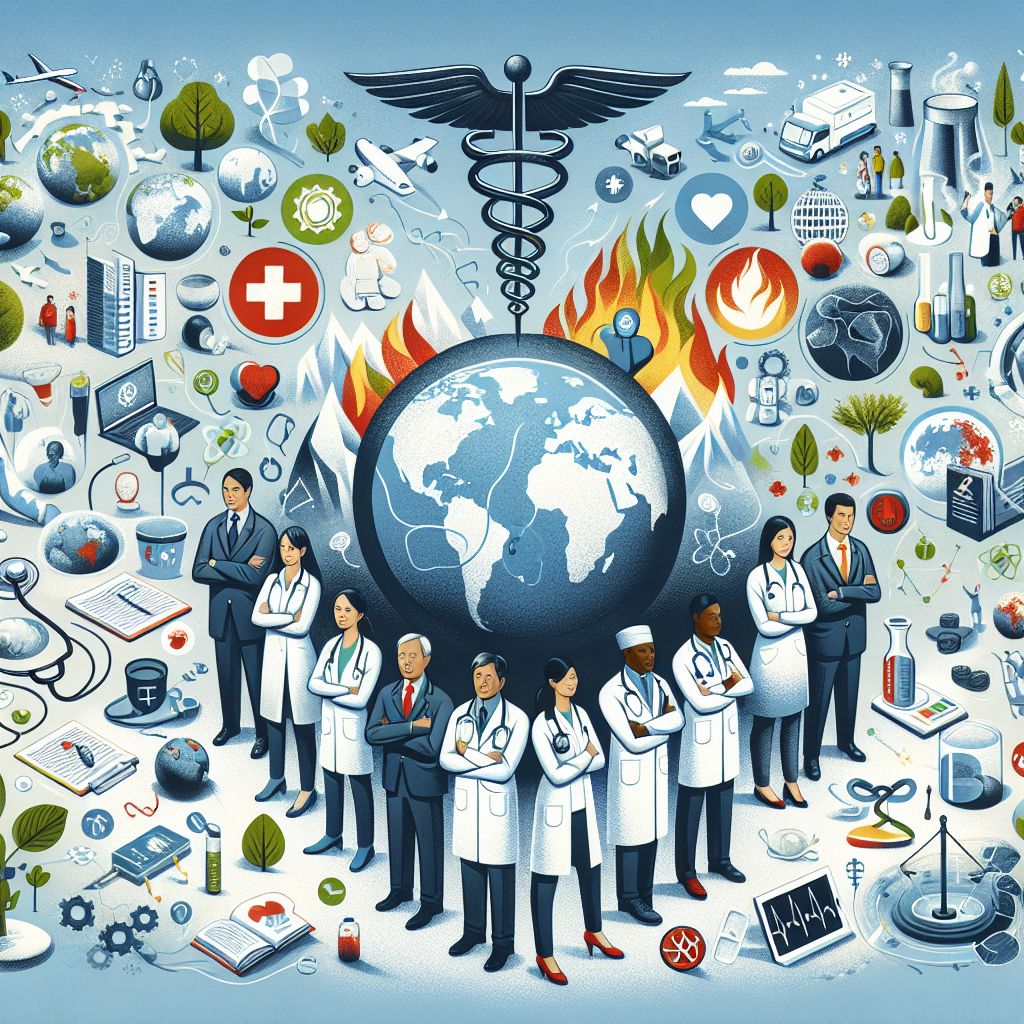
The role of developed nations and healthcare professionals in combating climate change is a subject of ever-increasing importance. As global temperatures continue to rise, we are confronted with the stark reality of climate change and its potential implications for the health and wellbeing of populations worldwide. There are three compelling reasons for this topic’s significance. Firstly, developed nations are the major contributors to global greenhouse gas emissions, and therefore have the greatest responsibility in mitigating their effects. Secondly, healthcare professionals play a crucial role in recognizing, addressing, and advocating for the health impacts of climate change. Lastly, the union of these two sectors can result in innovative solutions to confront climate change on a global scale.
• Developed nations’ significant contribution to global emissions necessitates their leadership in combating climate change.
• Healthcare professionals’ understanding and advocacy of the health impacts of climate change are crucial in driving global action.
The Critical Role of Developed Nations
Developed nations, with their advanced industries, transportation systems, and consumer cultures, contribute heavily to global emissions. Recognizing their responsibility, many of these countries are stepping up their efforts to transition to greener economies. They are investing in renewable energy, implementing policies to reduce emissions, and promoting sustainable practices. This leadership is not only an acknowledgment of their role in causing climate change but also an understanding of their capacity to make significant changes.
Healthcare Professionals: The Climate Advocates
Healthcare professionals have a unique position in the fight against climate change. Their deep understanding of the health impacts of environmental changes makes them powerful advocates. They can raise awareness about the health risks associated with climate change, such as increased respiratory and cardiovascular diseases, mental health issues, and infectious diseases. Through their advocacy, they can influence policy, drive research, and promote sustainable practices within the healthcare sector itself.
The Intersection of Developed Nations and Healthcare
The intersection of developed nations’ responsibility and the healthcare professionals’ roles creates a unique opportunity for impactful action. Through collaborations, policy changes, and shared resources, these sectors can create innovative solutions to address climate change. For instance, developed countries’ investments can help transform the healthcare sector into a more sustainable industry. Moreover, healthcare professionals can use their influence to push for greener policies and practices in these developed nations.
The Future: Collaborative Actions and Shared Responsibility
As we move forward, the role of developed nations and healthcare professionals in combating climate change will only grow in importance. We live in an interconnected world where actions in one part have repercussions elsewhere. Recognizing this interdependence, we must prioritize collaborative actions and shared responsibility. Developed nations need to lead in reducing emissions and investing in sustainable practices. Healthcare professionals must continue their advocacy, research, and education on the health impacts of climate change. Together, they can create a healthier and more sustainable world for future generations.
In this mission, the collaboration between public health professionals, environmental experts, and policymakers is essential. They must work hand-in-hand to develop and implement strategies that mitigate the effects of climate change on health. These could include improving urban planning to reduce air pollution, promoting sustainable farming practices to ensure food security, and investing in renewable energy sources to lower carbon emissions. Furthermore, these measures must be supported by strong laws and regulations to ensure their effectiveness and sustainability.
Public awareness and education are also crucial in this endeavor. People need to understand the connection between climate change and their health to appreciate the urgency of the situation and to actively participate in solutions. Schools, media, and other institutions can play a significant role in disseminating this knowledge. They can create programs that help individuals and communities adapt to climate change, such as encouraging energy efficiency, promoting a plant-based diet, and supporting local sustainable products.
Moreover, health systems need to be strengthened to adequately respond to the health risks posed by climate change. This involves enhancing disease surveillance and response, improving health services delivery, and building the capacity of health workers to manage climate-related health issues. At the same time, research should be intensified to better understand the health impacts of climate change and to develop interventions that are effective and appropriate for different contexts and populations.
In conclusion, tackling the health impacts of climate change requires a collective and concerted effort. It is a daunting task, but with the right strategies and the commitment of everyone involved, it is a challenge that we can and must overcome. Let us act now for the sake of our health and the health of the generations to come.