

Table of Contents
- Introduction: The Global Duty of Developed Nations and Medical Professionals Towards Climate Crisis
- The Responsibility of Developed Nations
- Climate Change and its Health Implications
- Doctors and the Climate Crisis
- Implementing Sustainable Practices in the Health Sector
- Conclusion: A Global Duty
Introduction: The Global Duty of Developed Nations and Medical Professionals Towards Climate Crisis
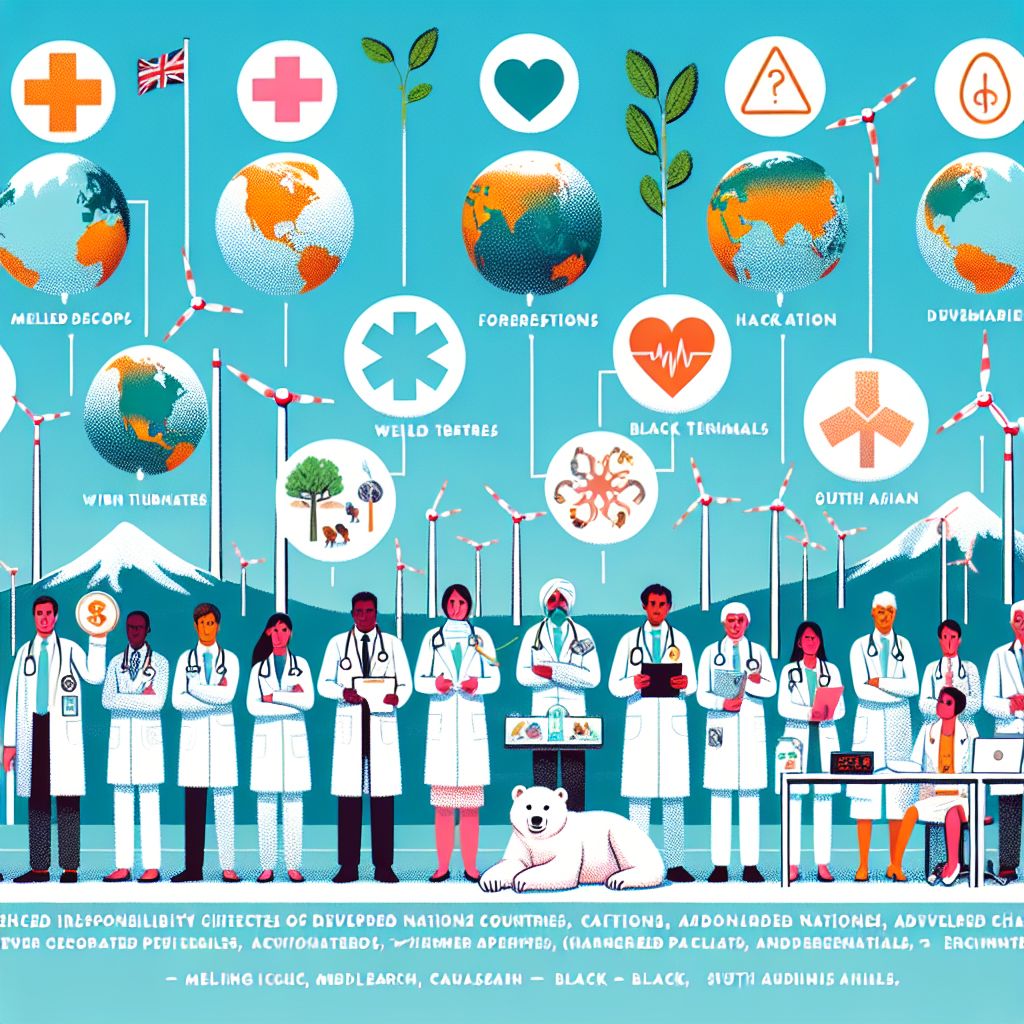
The escalating climate crisis is an issue that transcends borders, touching every corner of the globe. Developed nations, due to their significant contributions to global carbon emissions, have a crucial role to play in mitigating this crisis. Simultaneously, the medical community is being called to action, as the health impacts of climate change become increasingly apparent. The relevance of this topic is underscored by the following key points:
- Developed countries are the largest contributors to global carbon emissions, thereby having a substantial influence on the state of the climate.
- The health sector, especially doctors, is witnessing the direct impacts of climate change on human health, positioning them as important actors in this fight.
The Responsibility of Developed Nations
Developed nations, with their high-consumption lifestyles and industrialized economies, are primarily responsible for the current state of the climate crisis. Despite representing a small portion of the world’s population, these countries contribute disproportionately to global carbon emissions. Thus, they bear a significant responsibility in reversing these trends, primarily through policies that promote sustainability and decarbonization. Moreover, offering financial and technological support to developing nations can help accelerate global efforts to combat climate change.
Climate Change and its Health Implications
Climate change doesn’t only affect our environment; it significantly impacts human health. Rising temperatures contribute to heat-related illnesses and deaths, while extreme weather events can cause injuries or fatalities. Furthermore, changing climate patterns facilitate the spread of infectious diseases, posing a direct threat to global health security. It is crucial for the medical community, particularly doctors, to recognize and respond to these challenges.
Doctors and the Climate Crisis
Doctors, as frontline health workers, are witnessing the health impacts of climate change firsthand. They are dealing with an increased burden of disease resulting from extreme weather events, rising temperatures, and the spread of infectious diseases. Moreover, as trusted figures, doctors have a unique platform to educate the public about the health risks associated with climate change and advocate for sustainable practices. As such, they can play a vital role in mitigating the health impacts of the climate crisis.
Implementing Sustainable Practices in the Health Sector
The health sector itself is a significant contributor to global emissions, thus, it needs to adopt sustainable practices. Hospitals and other healthcare facilities can reduce their carbon footprint through energy-efficient infrastructure, waste reduction, and sustainable procurement strategies. Doctors can advocate for these changes within their organizations, promoting a culture of sustainability in healthcare.
Conclusion: A Global Duty
Combating the climate crisis is a shared global responsibility. Developed nations, due to their significant contributions to global emissions, have a crucial role to play in this battle. Simultaneously, doctors and the broader health sector must rise to the challenge, mitigating the health impacts of climate change and promoting sustainability within healthcare. Ultimately, we all have a part to play in securing a sustainable future for our planet.
Indeed, the call for action is not exclusive to healthcare professionals or policy makers. Each one of us, as global citizens, has a role to play in mitigating the effects of climate change and promoting sustainability. This could be as simple as adopting greener practices in our daily lives, such as reducing waste, recycling, or using public transportation. It could also involve advocating for policies that prioritize environmental health and sustainability in healthcare and beyond.
Furthermore, education plays a crucial role in this endeavor. By raising awareness about the links between health and climate change, we can foster a more informed, engaged, and proactive populace. Whether it’s through formal education, community outreach, or social media campaigns, spreading the word about the urgent need for action can make a significant difference.
Moreover, collaboration is key. Whether between different sectors, nations, or individuals, working together ensures a unified and efficient response to the challenges posed by climate change. This includes sharing resources, knowledge, and innovative solutions to not only combat the negative effects of climate change but also to build resilience and adaptability in the face of these challenges.
Lastly, investment is crucial. This involves not only financial investment into research and development for sustainable solutions but also a personal investment of time and effort. It is only through such comprehensive and concerted efforts that we can hope to secure a sustainable future for our planet.
The notion of sustainability is no longer a choice; it is a necessity. As we progress into the 21st century, the consequences of our reckless exploitation of the earth’s resources are becoming increasingly evident. Rising global temperatures, melting ice caps, erratic weather patterns, and an alarming rate of species extinction all bear testimony to the urgent need for sustainable practices. Sustainability demands a shift in our paradigm of growth and progress. It necessitates a re-evaluation of our consumption patterns and an adoption of lifestyles that are in harmony with nature.
Adopting sustainable practices is not just about recycling waste or turning off lights when not in use. It involves making conscious choices about what we consume and how we dispose of it. It means choosing products that are ethically sourced, produced, and packaged. It implies prioritizing local, seasonal, and organic products over imported, out-of-season, and chemically treated ones. It also means investing in renewable sources of energy and minimizing our carbon footprint.
While these changes may seem daunting, they are not impossible. With a little bit of effort and dedication, each one of us can contribute to the sustainability movement. By adopting a more conscious approach to living, we can all play a part in preserving our precious planet for future generations.
Moreover, governments and corporations also have a crucial role to play in promoting sustainable practices. Policies need to be implemented to encourage businesses to adopt eco-friendly practices, and penalties should be imposed on those that continue to exploit the environment. Corporations, on the other hand, should understand that sustainability is not just a marketing gimmick but a responsibility towards the planet and future generations.
Ultimately, the journey towards sustainability is a collective one. It requires the participation and commitment of every individual, community, corporation, and nation. It is a journey that demands not just ecological responsibility but also moral accountability. As we tread this path, we must remember that we do not inherit the earth from our ancestors; we borrow it from our children. Therefore, it is our responsibility to return it to them in a condition that is fit for their survival and prosperity.