

Table of Contents
- Introduction: Doctors and Climate Change
- The Health Impact of Climate Change
- Doctors as Advocates for Sustainable Practices
- The Obligation of Civilized Nations
- Collaboration Between Doctors and Nations
- Conclusion: Prescribing Change
Introduction: Doctors and Climate Change
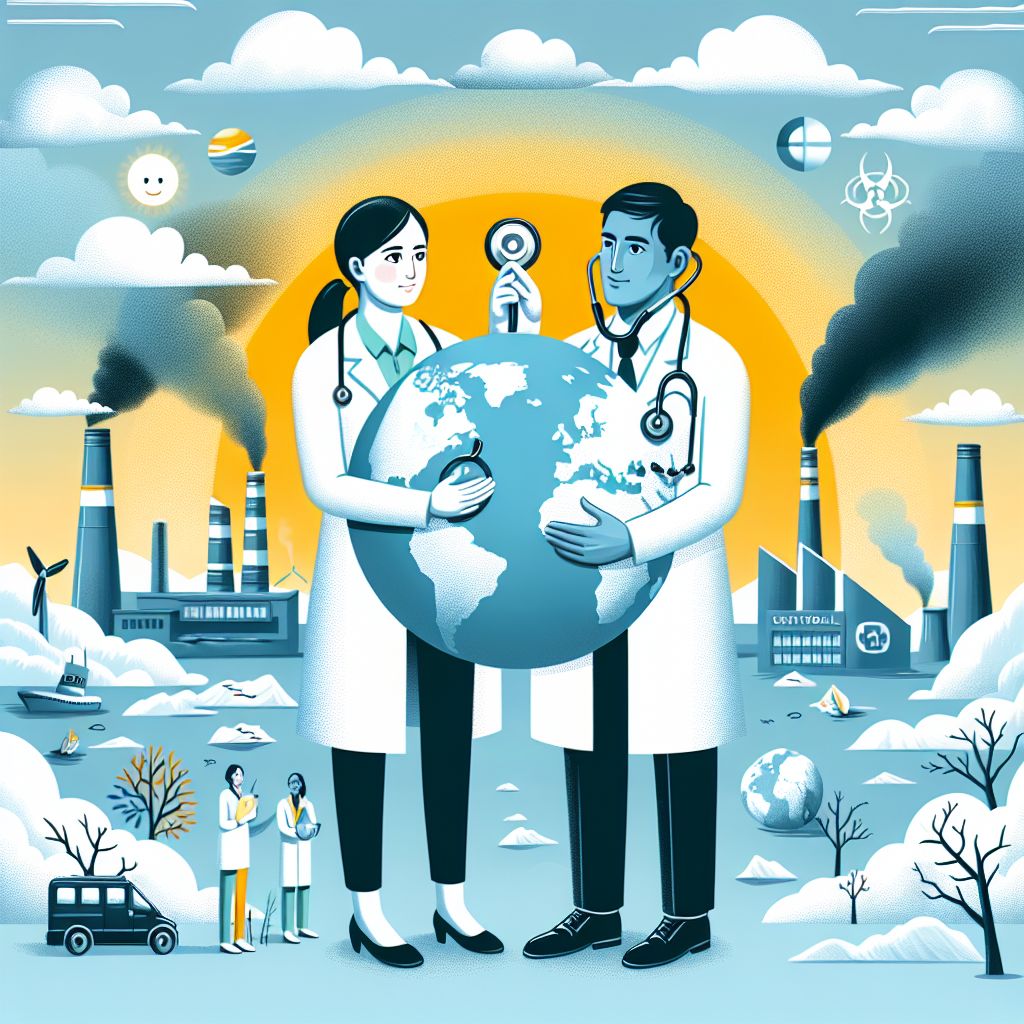
The world is currently grappling with an existential crisis – climate change. This challenge is not restricted to a single domain but stretches across various sectors, including health. The role of doctors and civilized nations in addressing this challenge is particularly significant. Three compelling reasons underline this importance: the direct impact of climate change on human health, the potential influence of doctors in advocating for sustainable practices, and the obligation of civilized nations to lead the charge against industrial pollution and climate crisis.
The Health Impact of Climate Change
Climate change directly impacts human health, a fact that is increasingly recognized by doctors worldwide. Rising temperatures increase the incidence of heat-related illnesses, while extreme weather events can lead to injuries and mental health issues. Additionally, climate change contributes to the spread of infectious diseases, as changing weather patterns can create favorable conditions for vectors such as mosquitoes. Air pollution, a significant contributor to climate change, is also a leading cause of respiratory diseases, including asthma and lung cancer. Thus, as health professionals, doctors are on the front line of addressing these climate-related health impacts.
Doctors as Advocates for Sustainable Practices
Doctors, given their respected position in society, can effectively advocate for sustainable practices to mitigate climate change. They can influence policy by highlighting the health impacts of climate change, thus providing a powerful argument for reducing greenhouse gas emissions. Additionally, doctors can promote sustainable practices within healthcare, a sector that itself contributes significantly to global emissions. Measures could include advocating for energy-efficient hospitals, reducing waste and promoting recycling in healthcare facilities, and minimizing the carbon footprint of medical supplies.
The Obligation of Civilized Nations
Civilized nations, as global leaders, have a crucial role to play in combatting industrial pollution and the climate crisis. These nations, often the most significant contributors to greenhouse gas emissions, have the resources and capabilities to transition towards more sustainable practices. Their governments can enact policies to limit emissions, promote renewable energy, and invest in green infrastructure. Furthermore, they have a moral obligation to lead the way in addressing a crisis that disproportionately affects the world’s most vulnerable populations, who have contributed the least to the problem.
Collaboration Between Doctors and Nations
Effective action against climate change requires collaboration between doctors and nations. Doctors can provide the evidence base for the health impacts of climate change, while nations can enact policies based on this evidence. This collaboration could take multiple forms, from doctors advising government bodies on health-related climate policies to nations supporting research into the health impacts of climate change. Such collaboration would not only address the health impacts of climate change but also contribute to broader sustainability goals.
Conclusion: Prescribing Change
Climate change is an urgent, global issue that requires action across all sectors, including health. Doctors, with their understanding of the health impacts of climate change and their respected position in society, can play a vital role in advocating for sustainable practices. Civilized nations, with their resources and influence, have a crucial role and moral obligation to lead the charge against industrial pollution and the climate crisis. Together, doctors and nations can ‘prescribe’ the necessary changes to combat this existential threat and ensure a healthy future for all.
Addressing industrial pollution and the climate crisis demands more than just acknowledging the issue; it requires concrete actions. The global community needs to push for stricter regulations on industries to reduce their carbon footprint. Governments need to invest in renewable energy sources, promote energy efficiency, and incentivize businesses to adopt greener practices. Furthermore, promoting circular economies, where waste is minimized through recycling and reusing, could provide a sustainable solution to the pollution problem.
While these measures are crucial, they are not enough on their own. Societies need to foster a culture of responsibility and awareness for the environment. This includes educating the public about the impact of their lifestyle choices on the environment, and encouraging them to adopt more sustainable practices. The role of doctors in this respect is pivotal. They can use their influence to advocate for healthier lifestyles and environments, connecting the dots between public health and climate change.
Moreover, the climate crisis needs to be integrated into medical education and practice. This would equip future doctors with the knowledge and skills to address health issues related to climate change. Additionally, the healthcare sector itself needs to become more sustainable. It’s estimated that if it were a country, it would be the fifth-largest emitter of greenhouse gases. Therefore, hospitals and healthcare facilities need to reduce their carbon emissions and waste, and adopt green practices.
The fight against industrial pollution and the climate crisis is a collective responsibility. It’s a battle that needs the active involvement of individuals, industries, governments, and the medical community. Only through collaborative and concerted efforts can we hope to ensure a healthy future for all. The prescription for a healthier planet lies in our hands, and there’s no better time to act than now.