

Table of Contents
- The Influence of Developed Nations
- The Role of Medical Professionals
- Collaboration for Impact
- Challenges and Opportunities
- Conclusion: Taking Charge
Climate change has become one of the defining issues of our time, threatening not only our planet’s ecosystems but also human health and survival. As global temperatures rise, so does the urgency for effective and immediate action. Developed nations and medical professionals are two groups that have a significant role to play in this effort. Their position of influence, resources, and knowledge can help drive critical changes that can mitigate the impacts of the climate crisis. This article will delve into these roles, discussing why they are crucial and how they can be effectively harnessed.
The Influence of Developed Nations
Developed nations, with their economic power and technological capabilities, have a crucial role in combating climate change. They are often the largest emitters of greenhouse gases, which contribute significantly to global warming. Consequently, they have a responsibility to lead the charge in reducing emissions, transitioning to renewable energy, and implementing sustainable practices. By setting ambitious climate goals and investing in clean energy technologies, these nations can set a precedent that encourages other countries to follow suit. They also have the resources to provide aid and support to developing nations that are disproportionately affected by the effects of climate change.
The Role of Medical Professionals
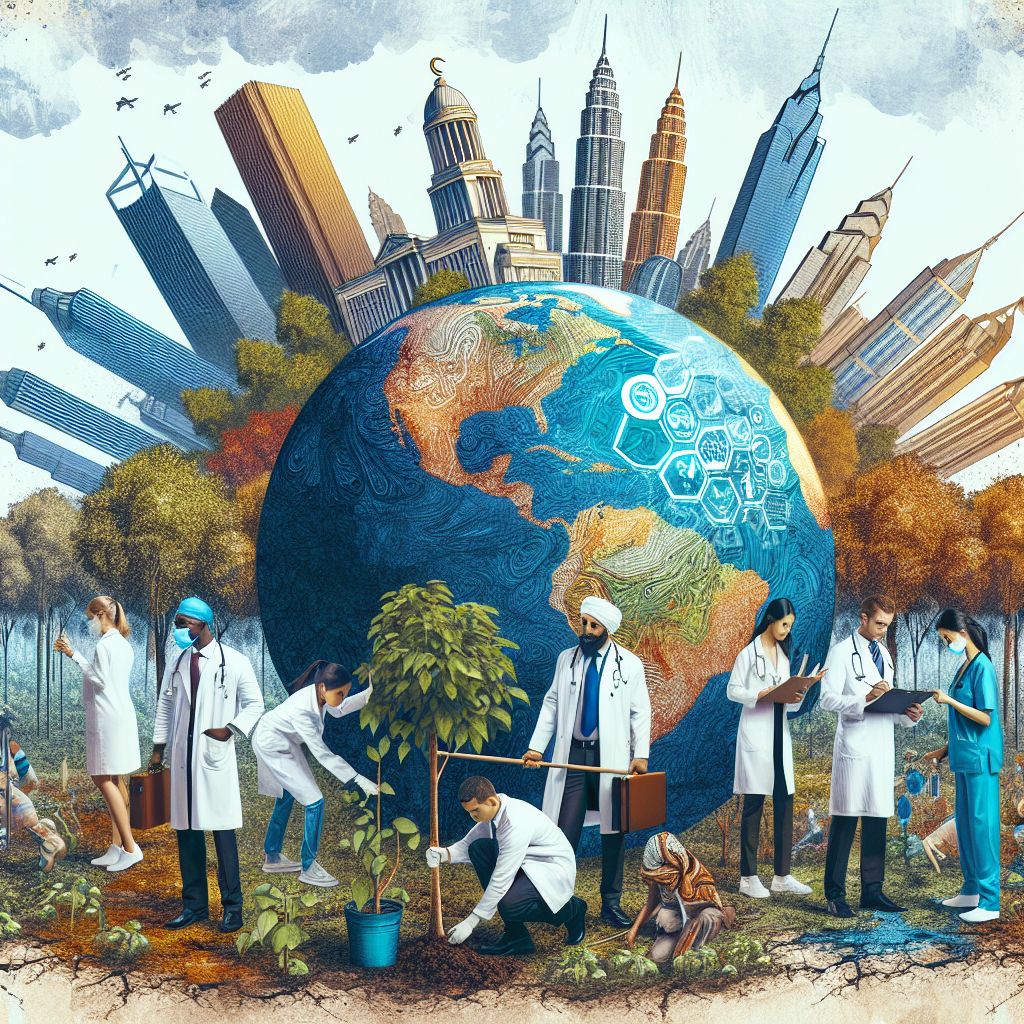
Medical professionals also have a unique and vital role to play in addressing the climate crisis. As trusted communicators, they can help raise awareness about the health impacts of climate change and advocate for policies that protect public health. They can also integrate climate change into their clinical practice by considering its effects on their patients’ health and advising them on how to mitigate these risks. Furthermore, the healthcare sector, which is responsible for a significant proportion of global emissions, can benefit from their leadership in promoting sustainable practices.
Collaboration for Impact
The collaboration between developed nations and medical professionals can yield significant results in the fight against climate change. By working together, they can create comprehensive strategies that address the issue from multiple angles. For example, developed nations can invest in research and development for climate-friendly healthcare practices. Meanwhile, medical professionals can lobby for these practices and educate the public about their importance. Such combined efforts can accelerate the transition towards a more sustainable and resilient future.
Challenges and Opportunities
Despite the potential for impact, there are numerous challenges that need to be overcome. For developed nations, political will and economic interests can often impede the implementation of necessary climate actions. For medical professionals, lack of awareness and resources can hinder their ability to incorporate climate change into their work. However, these challenges also present opportunities. For instance, the transition to a green economy can spur innovation and create jobs, while the integration of climate change into healthcare can improve patient care and health outcomes.
Conclusion: Taking Charge
As the effects of climate change continue to intensify, the responsibility to act becomes more pressing. Developed nations, with their influence and resources, have the capacity to lead global efforts to mitigate climate change. Medical professionals, with their expertise and trust, can play a crucial role in raising awareness and integrating climate change into healthcare. By working together and overcoming challenges, they can help steer the world towards a sustainable and resilient future. The time to act is now.
Immediate action is essential to counter the rapid onset of climate change and its potential impacts on global health. This involves the joint efforts of governments, businesses, and individuals worldwide. Governments ought to lead the charge by implementing stringent regulations on environmental pollutants, investing in renewable energy sources, and encouraging sustainable practices. Businesses, on the other hand, must adopt green practices, reduce their carbon footprint, and develop innovative solutions towards mitigating climate change.
Moreover, individuals can play a substantial role by making conscious choices such as reducing waste, recycling, and utilizing energy-efficient products. Furthermore, integrating climate change into healthcare involves preparing for the potential spread of disease due to changing weather patterns, improving infrastructure to withstand more extreme weather events, and ensuring access to clean water and sanitation services.
The task is daunting, but achievable. With a collective effort, we can turn the tide and secure a sustainable and resilient future for generations to come. The clock is ticking, and the time to act is now. Climate change is not a distant threat, but a present reality, and it is imperative that we rise to meet this challenge head-on.
There is a pressing need for a comprehensive and decisive approach to mitigate the impacts of climate change. Tangible action is required at all levels – individual, communal, national and international. This means adopting sustainable practices in our daily lives, pushing our communities towards greener initiatives, implementing rigorous environmental policies at a national level, and fostering international cooperation on climate action.
Addressing climate change is not just about reducing greenhouse gas emissions, although that is a significant part of the solution. It also involves adapting to changes already underway. This includes building resilience in our communities to withstand extreme weather events, developing drought-resistant crops for areas where rainfall is becoming less predictable, and creating infrastructure designed for rising sea levels.
The path ahead is challenging, but with collaborative effort, the right policies and innovative technologies, we can build a sustainable future. The fight against climate change is a fight for our survival, and it is one we cannot afford to lose. Therefore, we must harness our collective determination to ensure a liveable planet for future generations. The clock continues to tick, and every second counts in this critical journey towards sustainability.