

Table of Contents
- Introduction: The Critical Intersection of Climate Change, Civilized Nations, and Medical Professionals
- Industrialized Nations and Climate Change
- Health Impacts of Climate Change
- The Role of Doctors in Climate Action
- The Intersection of Civilized Nations, Doctors, and Climate Change
- Conclusion: A Call to Action
Introduction: The Critical Intersection of Climate Change, Civilized Nations, and Medical Professionals
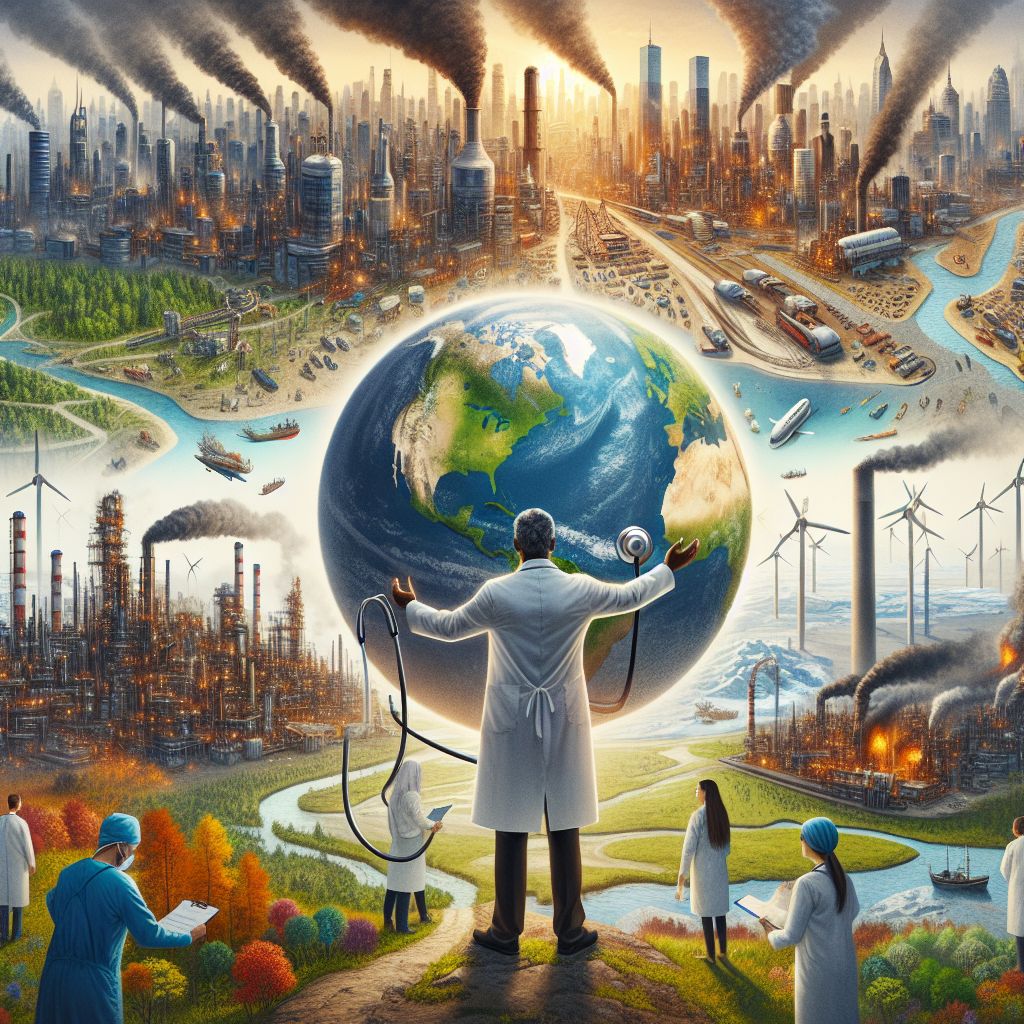
Climate change is a global problem that requires the concerted effort of all nations, particularly the more industrialized ones. These nations, owing to their industrial activities and higher consumption rates, have a more significant impact on the environment. As such, they bear a larger responsibility towards mitigating the effects of climate change. Further, the role of doctors in this context is also critical. They are not only on the frontline of dealing with the health impacts of climate change but are also important advocates for climate action. This article will explore the intersection of these three areas, providing insight into the role of industrialized nations and their doctors in addressing climate change.
• The influence of industrialized nations on climate change.
• The critical role of doctors in advocating for climate action.
Industrialized Nations and Climate Change
Industrialized nations, with their high levels of production and consumption, contribute significantly to greenhouse gas emissions. These emissions are a major cause of global warming, leading to climate change. As such, these nations have a crucial role to play in mitigating the effects of climate change. They need to lead by example, adopting more sustainable practices and investing in renewable energy sources. It is their responsibility to make significant reductions in their greenhouse gas emissions, setting the pace for other nations to follow.
Health Impacts of Climate Change
Climate change has far-reaching effects on human health, ranging from direct impacts such as heat-related illnesses and injuries from extreme weather events, to indirect effects like food and water insecurity, and vector-borne diseases. Medical professionals are at the forefront of dealing with these health impacts. They have firsthand experience of the suffering caused by climate change, which gives them a unique perspective on the urgency of addressing this issue.
The Role of Doctors in Climate Action
Doctors play a crucial role in climate action, not just by treating the health impacts of climate change, but also by advocating for more sustainable practices. They can use their influence to raise awareness about the health risks associated with climate change, and to promote the adoption of healthier, more sustainable lifestyles. Doctors can also advocate for policies that protect the environment and public health, leveraging their credibility and expertise to influence decision-makers.
The Intersection of Civilized Nations, Doctors, and Climate Change
The roles of industrialized nations and their doctors intersect in the fight against climate change. Civilized nations, with their significant environmental impact, need to take strong action to mitigate climate change. Doctors, as frontline workers dealing with the health impacts of climate change and as respected advocates for health and sustainability, can influence these actions. They can push for stronger environmental policies, and for the adoption of more sustainable practices in their own countries and globally. This intersection of roles creates a powerful force for change, driving the global response to climate change.
Conclusion: A Call to Action
The fight against climate change requires the concerted efforts of all, particularly industrialized nations and medical professionals. Industrialized nations need to take responsibility for their environmental impact, adopting more sustainable practices and investing in renewable energy. Doctors, on the other hand, need to use their influence to advocate for climate action, raising awareness about the health impacts of climate change and promoting healthier, more sustainable lifestyles. Working together, they can make a significant difference in the global response to climate change.
The synergistic efforts of various sectors such as health, education, transportation, and agriculture, among others, are crucial in combating the impacts of climate change. These sectors can implement policies and practices that are both environmentally and health-friendly. For instance, encouraging active transportation such as walking or cycling reduces carbon emissions and promotes physical activity. Similarly, promoting sustainable agriculture not only mitigates climate change but also ensures food security and nutrition.
Public health professionals play a vital role in this collective action. They can assess the health risks associated with climate change, develop interventions to mitigate these risks, and advocate for climate-responsive policies. They can also educate the public about the health implications of climate change and the benefits of adopting sustainable lifestyles. Moreover, they can collaborate with other stakeholders to research and innovate solutions to climate-related health issues.
Climate change is an immediate and escalating threat, but it is also an opportunity to improve global health. By recognizing and addressing the health impacts of climate change, we can not only protect our planet but also promote a healthier, more sustainable future for all. The time to act is now. We must harness the power of collective action and innovation to combat climate change and safeguard our health and that of future generations.