

Table of Contents
- Introduction: The Intricate Link Between Doctors, Civilized Nations, and Climate Change
- The Health Implications of Climate Change
- Doctors as Effective Communicators
- The Hippocratic Oath and Environmental Stewardship
- Doctors Leading the Charge in Industrialized Nations
- The Vision for the Future
Introduction: The Intricate Link Between Doctors, Civilized Nations, and Climate Change
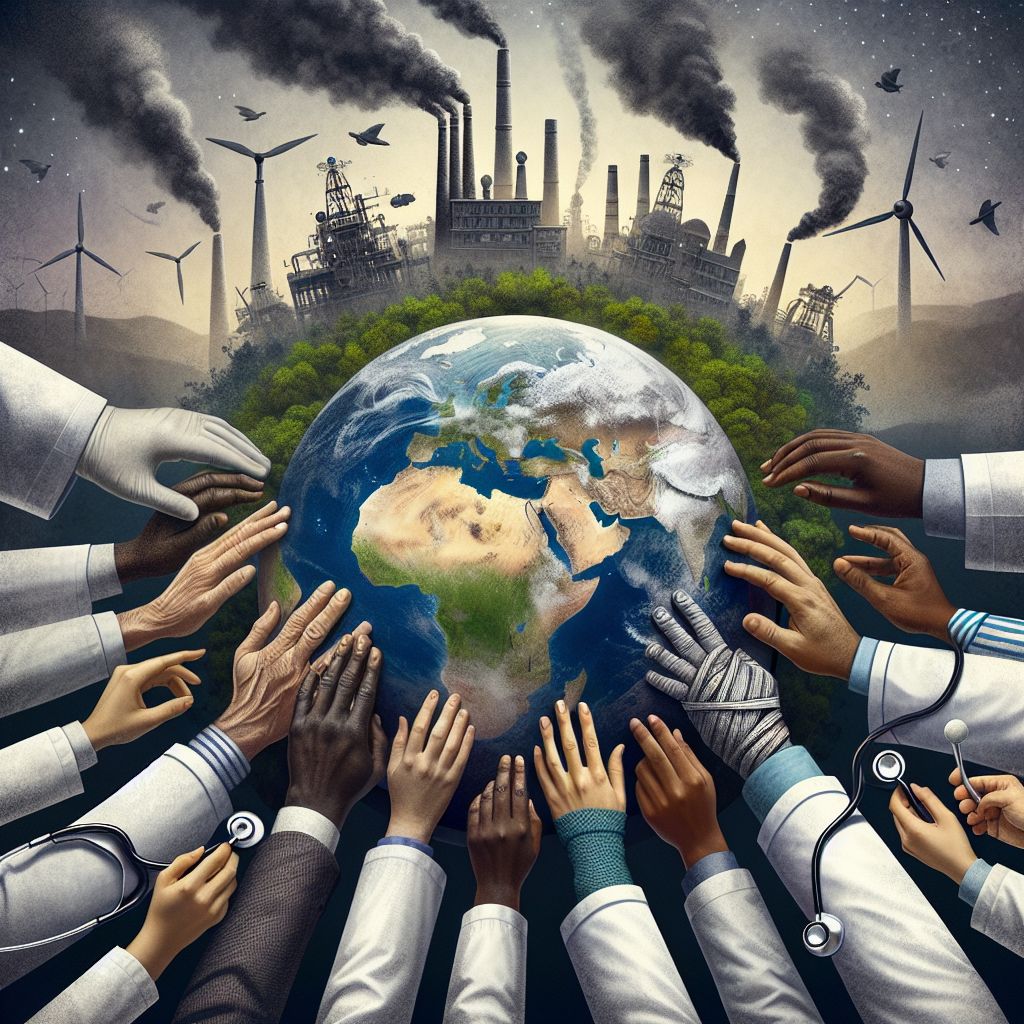
Climate change, a pressing global issue, has far-reaching implications on public health, necessitating the involvement of medical professionals in its mitigation. In the 21st century, the world has witnessed a surge in the involvement of doctors taking the lead in addressing the detrimental effects of industrialized nations on the environment. Their role is significant for three compelling reasons. First, their understanding of the health implications of climate change prompts proactive action. Second, they can effectively communicate the risks and remedies to the public. Lastly, their commitment to the Hippocratic Oath – “First, do no harm,” extends to the environment and can inspire others to act.
• Doctors are in a unique position to educate the public about the health implications of climate change.
• The Hippocratic Oath can be a motivating force for doctors to address environmental issues.
The Health Implications of Climate Change
The intersection of climate change and health is a growing concern. Rising temperatures exacerbate respiratory and cardiovascular conditions, while extreme weather events increase the risk of injury or death. Further, climate change disrupts ecosystems, leading to the spread of infectious diseases. Doctors are on the front line, witnessing these health implications firsthand, which motivates their involvement in climate action.
Doctors as Effective Communicators
Doctors play a vital role in disseminating information about climate change and its health impacts. Their direct interaction with the public and their trusted status make them effective communicators. Through education and awareness, doctors can encourage sustainable lifestyle changes that can make a significant impact on the environment.
The Hippocratic Oath and Environmental Stewardship
The Hippocratic Oath, a commitment to prioritize patient health, can be extended to include environmental health. Some doctors interpret “First, do no harm” as a call to action to address the environmental factors harming public health, including climate change. This broadened interpretation of the oath can inspire other professionals to take up environmental stewardship.
Doctors Leading the Charge in Industrialized Nations
Industrialized nations contribute significantly to global greenhouse gas emissions. Doctors in these nations are increasingly advocating for environmental policies that mitigate climate change. They are pushing for a transition to renewable energy sources, promoting green practices in healthcare facilities, and advocating for the reduction of carbon footprints. Their influential positions in society make them powerful advocates for environmental change.
The Vision for the Future
The involvement of doctors in climate action is a transformative development. They are not only treating the symptoms of climate change but also addressing the root causes. Their leadership is paving the way for a healthier, more sustainable future. As this movement grows, it is hoped that more professionals will join the fight against climate change, further strengthening the healing hand of change.
The surge in climate-conscious professionals is not restricted to any one industry. They span across various sectors, from technology to agriculture, from finance to construction, and everything in between. Engineers, scientists, entrepreneurs, educators, and countless others are harnessing their skills and knowledge to develop innovative solutions aimed at reducing greenhouse gas emissions, promoting renewable energy, and fostering sustainable practices. The rise of green jobs is a testament to this trend, providing not only a source of livelihood but also a sense of purpose for those passionate about making a positive impact on the planet.
However, there is a significant need for systemic change for these individual efforts to bear fruit. This involves governments enacting policies that encourage sustainable practices, corporations shifting towards greener operations, and consumers making eco-friendly lifestyles a norm rather than an exception. The importance of education in this aspect cannot be understated. By instilling a deep understanding of the climate crisis and the role each person plays in it, we can motivate more individuals to join the ranks of climate-conscious professionals.
The fight against climate change is a collective one. It requires the concerted effort of all sectors of society – from individuals to governments, from businesses to non-profit organizations. As we continue to witness the devastating effects of climate change, the urgency to act becomes ever more apparent. The growing movement of professionals dedicating their careers to this cause offers a glimmer of hope. It is evidence that we are not helpless in the face of this crisis, that we can be agents of change, shaping a healthier, more sustainable future for ourselves and generations to come.
Yet, this is not a task that we can undertake alone. It requires a global effort, a collective push towards sustainability that transcends national boundaries and political affiliations. From governments and corporations to individuals, each one of us has a role to play. Whether it’s through implementing greener policies, investing in renewable energy sources, or simply choosing to recycle, every action matters. It is our collective responsibility to safeguard the planet, our only home, for the present and future generations.
Moreover, addressing climate change is not just about the environment. It’s about justice and equity. It’s about ensuring that the most vulnerable among us, who often bear the brunt of the impact, are not left behind. It’s about bridging the gap between the developed and developing nations, between the rich and the poor. For our fight against climate change to be effective, it must be inclusive, fair and just.
Still, the task is daunting. But history has shown that when we come together, united by a common cause, we can overcome even the most formidable challenges. Climate change is undoubtedly one such challenge. However, armed with knowledge, driven by a sense of urgency, and fueled by a shared commitment to a sustainable future, we can turn the tide. It is not just an obligation, but an opportunity – an opportunity to redefine our relationship with nature, to transition to a greener economy, and to create a world that is more resilient, equitable, and sustainable.
Therefore, let us embrace this challenge with courage and determination. Let us take action now, before it’s too late. Let us remember that each one of us holds the power to make a difference. And collectively, we have the power to change the course of our planet’s future. The time for action is now. The world is watching, and future generations are counting on us. Let’s not let them down.