

Table of Contents
- Introduction
- The Policy Influence of Civilized Nations
- Doctors as Climate Change Educators
- Sustainable Healthcare Practices
- Challenges and Opportunities
- Concluding Thoughts
Introduction
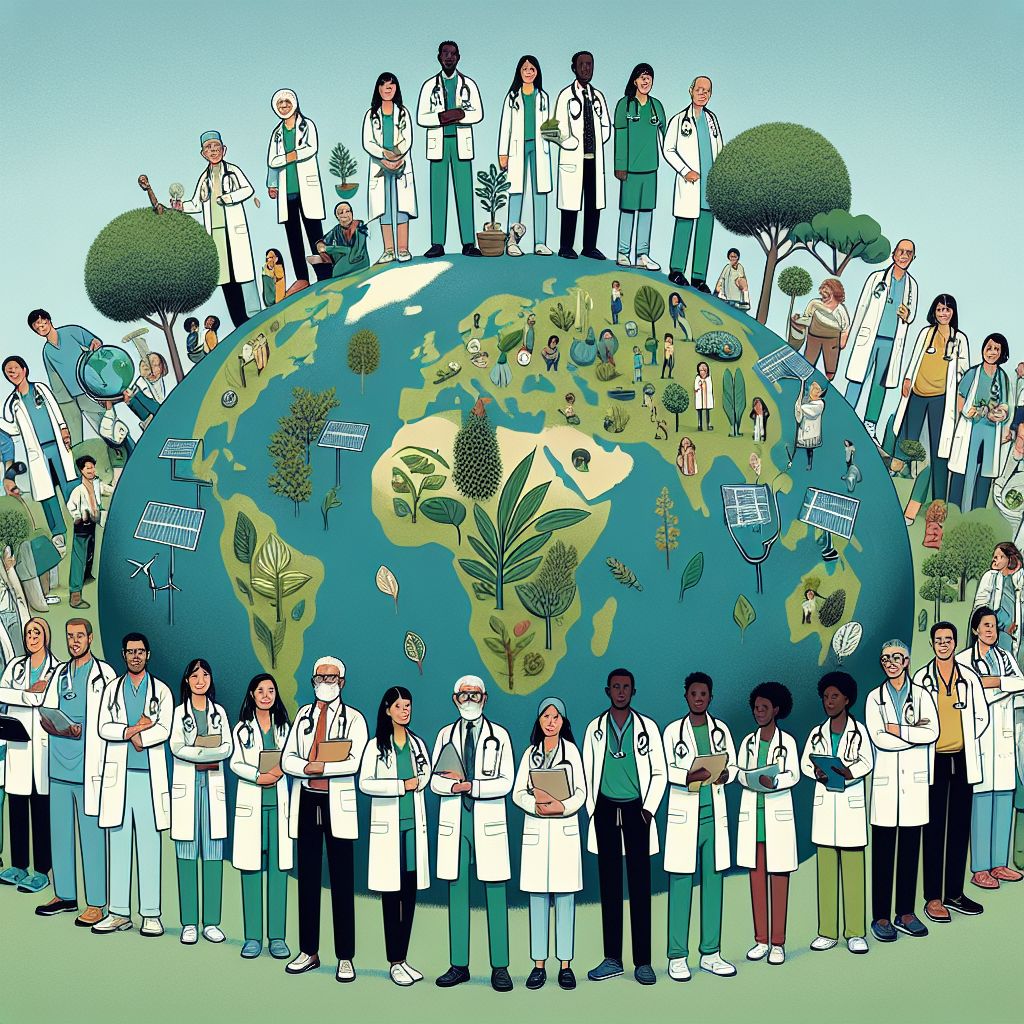
The rapidly escalating threat of climate change has necessitated a united front from all sectors of society, including healthcare. Climate change not only affects the natural environment but also poses significant health risks. The role of civilized nations and their doctors is vital in this context, primarily for three reasons: they can influence policy, foster education about climate change impacts on health, and promote sustainable practices in healthcare settings.
• Civilized societies, with their influential power, can drive policy changes to mitigate climate change impacts.
• Doctors, being trusted figures, can educate the public about the health risks associated with climate change.
The Policy Influence of Civilized Nations
Civilized nations, due to their economic and political clout, can significantly influence global climate policies. They can drive international agreements towards more sustainable practices and stringent emission standards. Furthermore, they can incorporate climate considerations into domestic policies across sectors, including healthcare. Such actions can encourage global cooperation in reducing greenhouse gas emissions and promote climate-resilient healthcare systems.
Doctors as Climate Change Educators
Doctors hold a unique position in society as trusted figures and caregivers. They can use this status to educate the public about the health risks associated with climate change, such as heatwaves, infectious diseases, and air pollution-related respiratory conditions. By making the health-climate link more tangible, doctors can contribute significantly to raising awareness and fostering behavior change towards more sustainable lifestyles.
Sustainable Healthcare Practices
The healthcare sector itself is a significant emitter of greenhouse gases. Civilized nations, with their advanced healthcare systems, can lead the way in promoting sustainable practices. These may include energy-efficient hospital designs, waste reduction strategies, and green procurement policies. Doctors, on their part, can advocate for these changes and integrate sustainability considerations into their clinical practices.
Challenges and Opportunities
Despite the critical role of civilized nations and their doctors in combating climate change, numerous challenges remain. These include political resistance, public skepticism, and gaps in climate-health knowledge among healthcare professionals. However, these challenges also present opportunities for further engagement and capacity building in the healthcare sector towards a climate-resilient future.
Concluding Thoughts
Climate change is a global crisis that requires a collective response. Civilized societies, along with their healthcare practitioners, can significantly contribute to this response by influencing policies, educating about health risks, and promoting sustainable practices in healthcare. While challenges persist, the opportunities for change are immense, and the united front of these societies and their doctors can play a pivotal role in our fight against climate change.
Indeed, the medical community is uniquely positioned to help combat climate change. As trusted figures in society, doctors can use their influence to promote understanding and awareness about the health risks posed by climate change. They can educate the public on the correlation between increased pollution levels and severe health conditions such as asthma, heart disease, and even mental health issues. This will not only emphasis the urgency of the climate crisis but also provide a personal perspective that encourages people to take action.
Furthermore, healthcare institutions themselves can implement greener practices. They can invest in sustainable, renewable energy sources, reduce waste and promote recycling, and aim for carbon neutrality in their operations. Through their purchasing power, they can also support sustainable companies, thereby indirectly contributing to the fight against climate change.
But it’s not just about individual actions. The healthcare sector is a significant part of the economy, and its collective voice can prove influential in policy-making. The sector can advocate for stronger environmental regulations, subsidies for renewable energy, and incentives for businesses to reduce their carbon footprint. The healthcare industry, united in its fight against climate change, can act as a powerful force for change, pushing the climate agenda forward and encouraging other sectors to follow suit.
While the challenges ahead are daunting, the healthcare sector’s commitment to fighting climate change is inspiring. As they continue to care for the health of individuals, they also take on the responsibility of protecting our planet. In doing so, they not only safeguard our physical health but also ensure the continued health and survival of our environment for future generations.
However, the task of preserving our environment cannot be left to these organizations alone. It is a collective responsibility that each one of us must shoulder. The actions we take, or fail to take, in our daily lives significantly impact the environment. Simple habits like recycling, reducing water and energy consumption, or choosing to walk or bike instead of driving, can make an enormous difference. These choices help reduce pollution, conserve natural resources, and mitigate the effects of climate change.
Moreover, our role extends beyond our personal habits. We must raise our voices and demand that our leaders and institutions prioritize environmental protection. We must advocate for policies that promote sustainable practices and penalize those that harm our environment. It is our duty to hold them accountable for the decisions they make, as these decisions will inevitably shape the world our future generations inherit.
Furthermore, education plays a pivotal role in fostering an environmentally conscious society. Schools and universities must include environmental education in their curricula to enlighten the younger generations about the importance of environmental conservation. Knowledge about the implications of our actions on the environment can spur individuals to make eco-friendly choices and inspire them to become advocates for our planet.
In conclusion, protecting our planet is not just an option, but an obligation. The actions we take today determine the kind of world future generations will live in. Every step we take towards environmental conservation, no matter how small, contributes to creating a healthier and more sustainable world. It is up to each one of us to take action and ensure a thriving planet for generations to come.